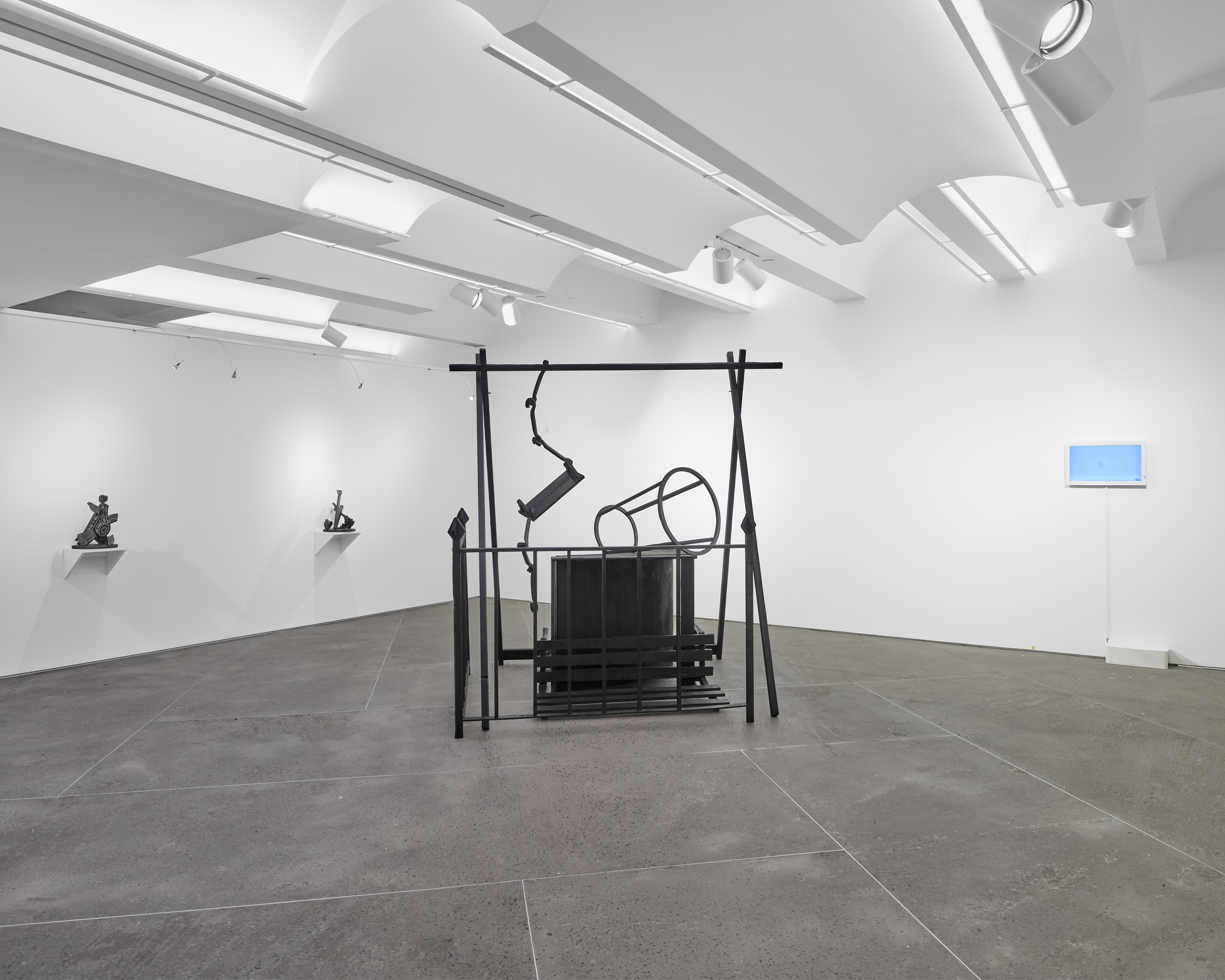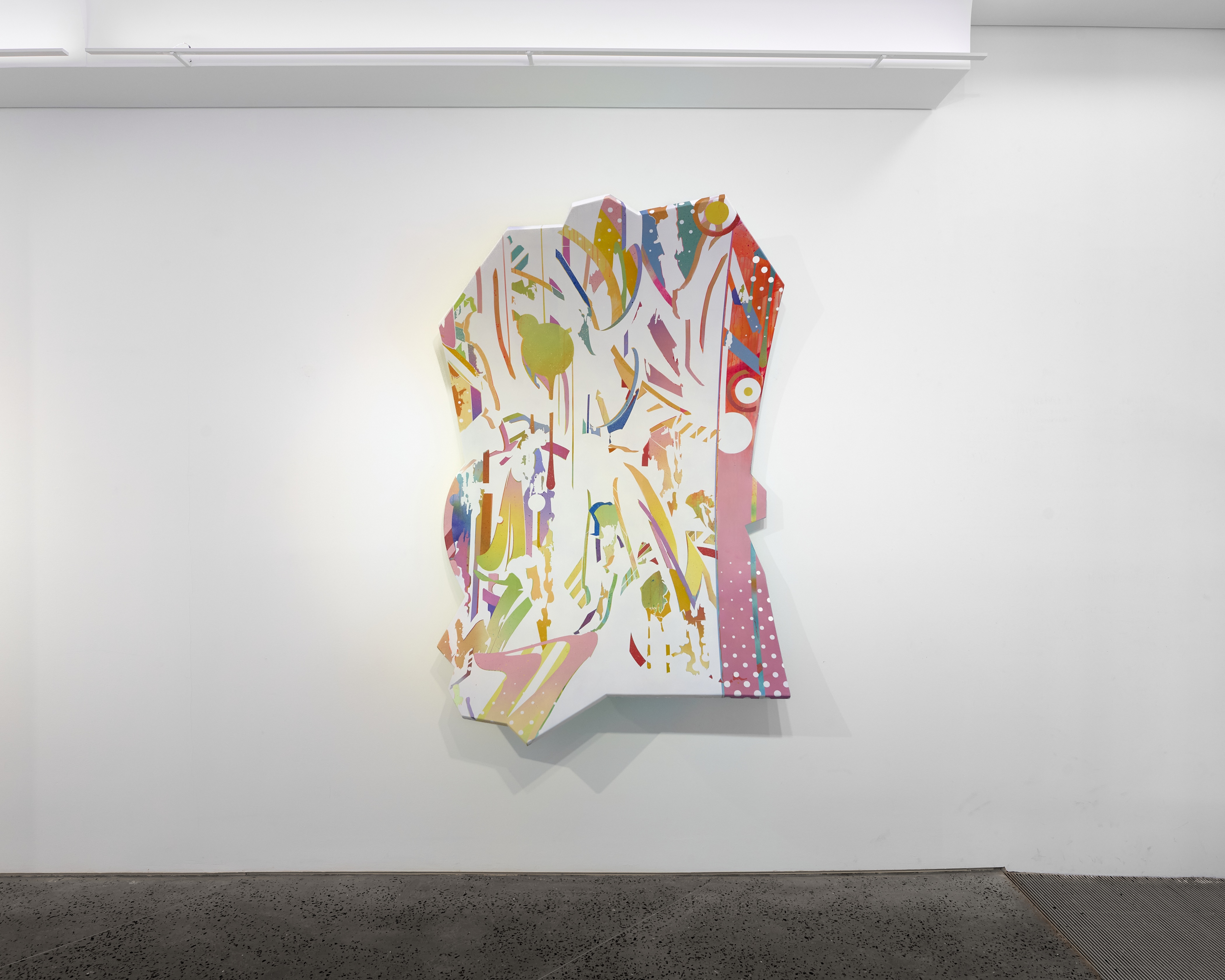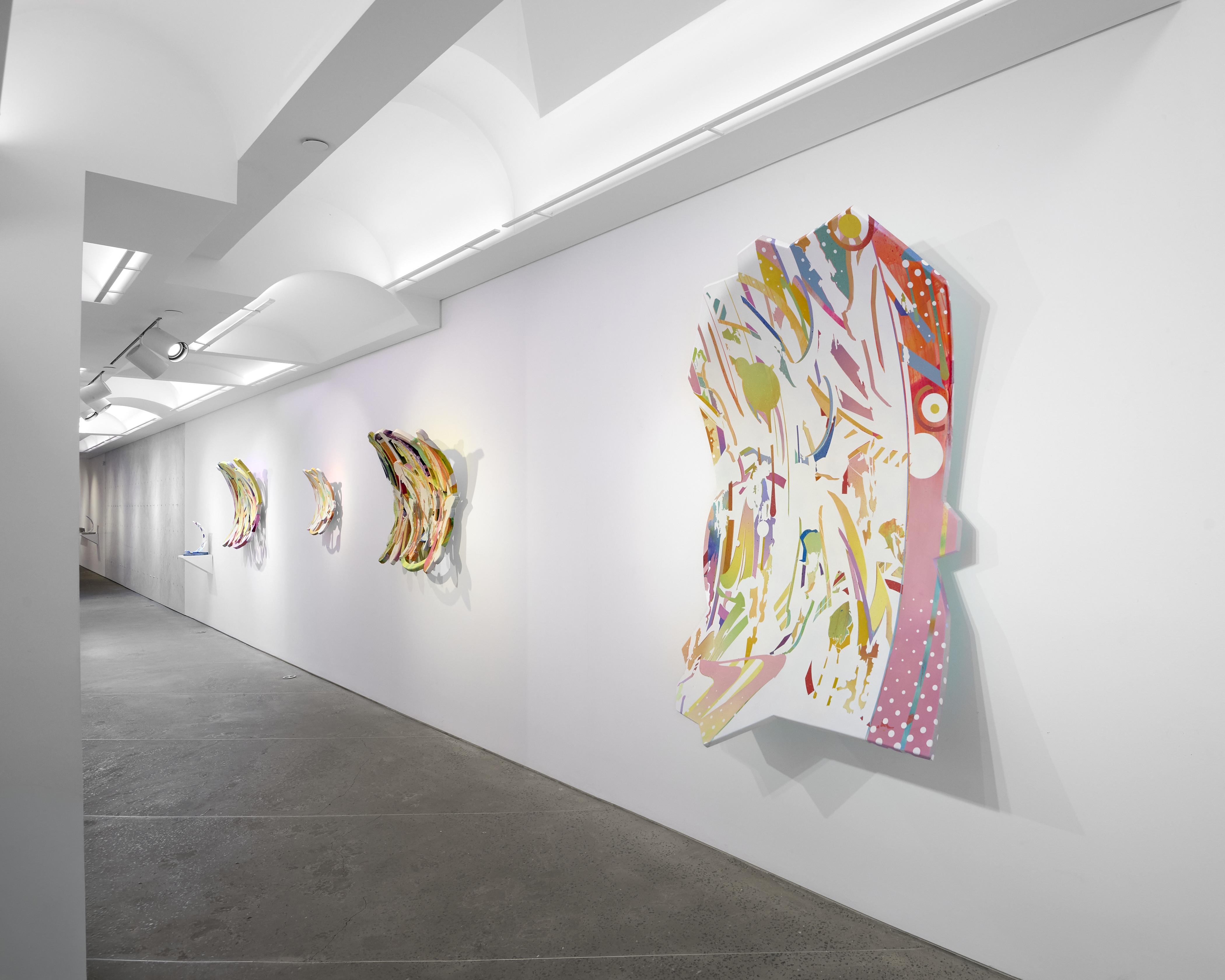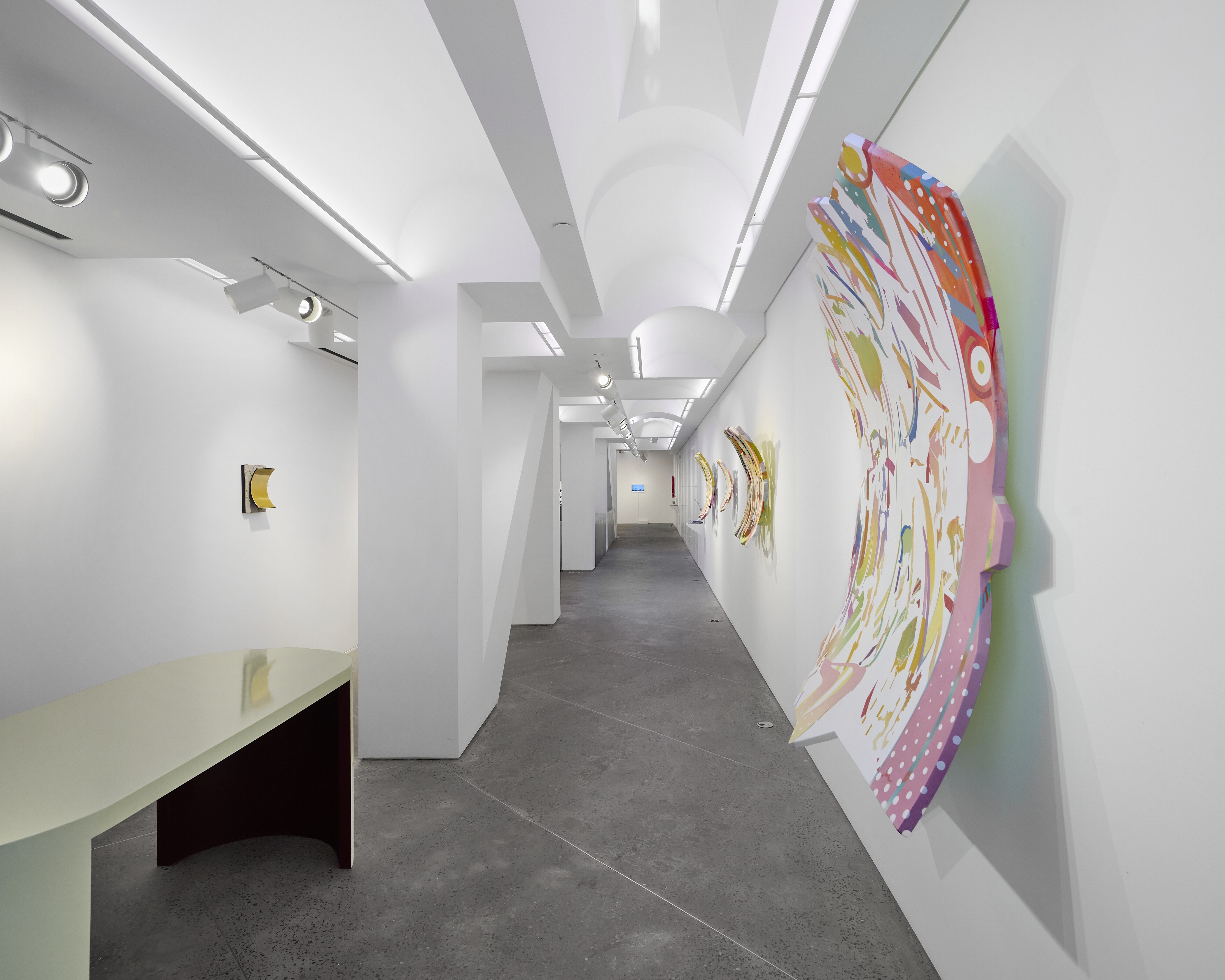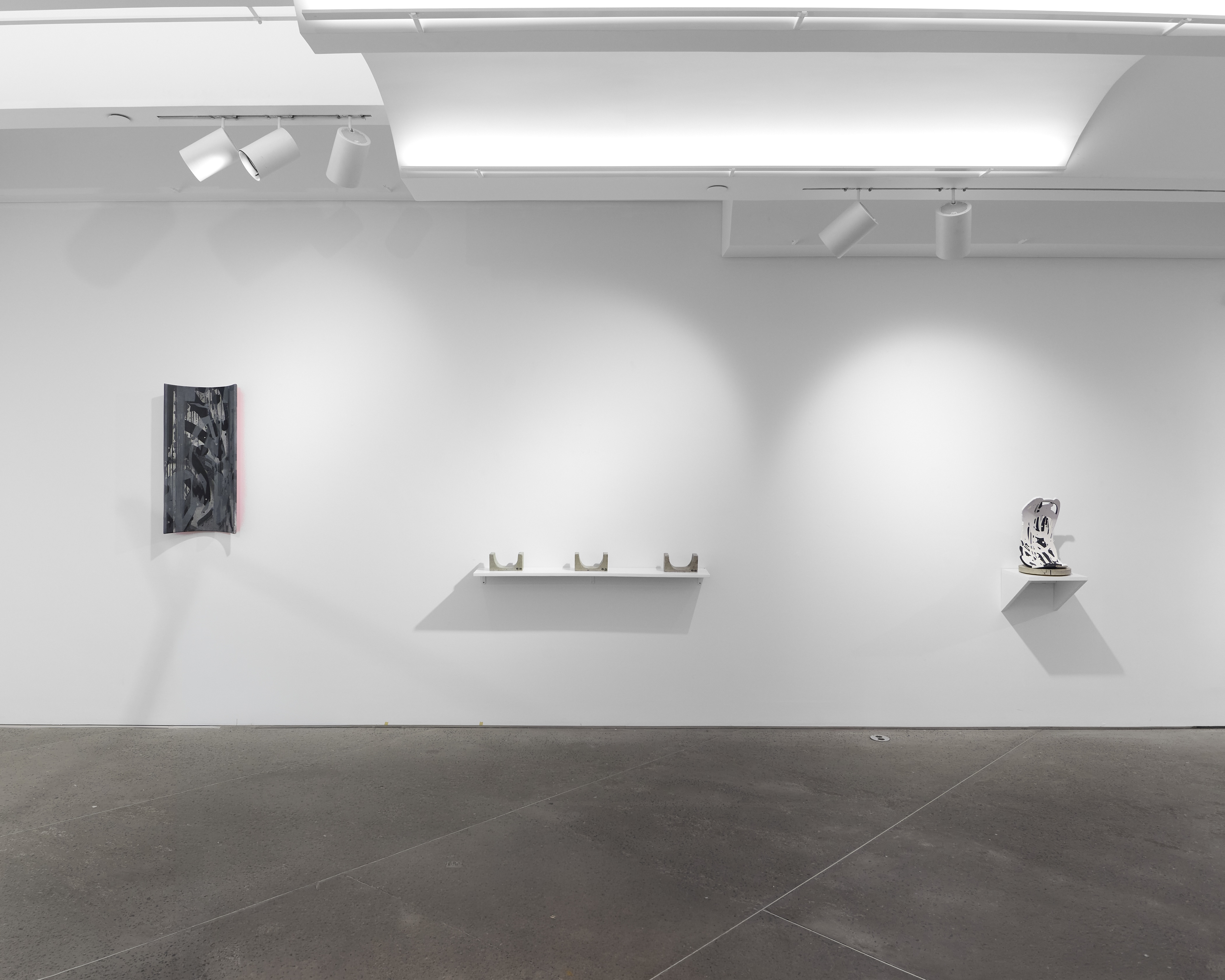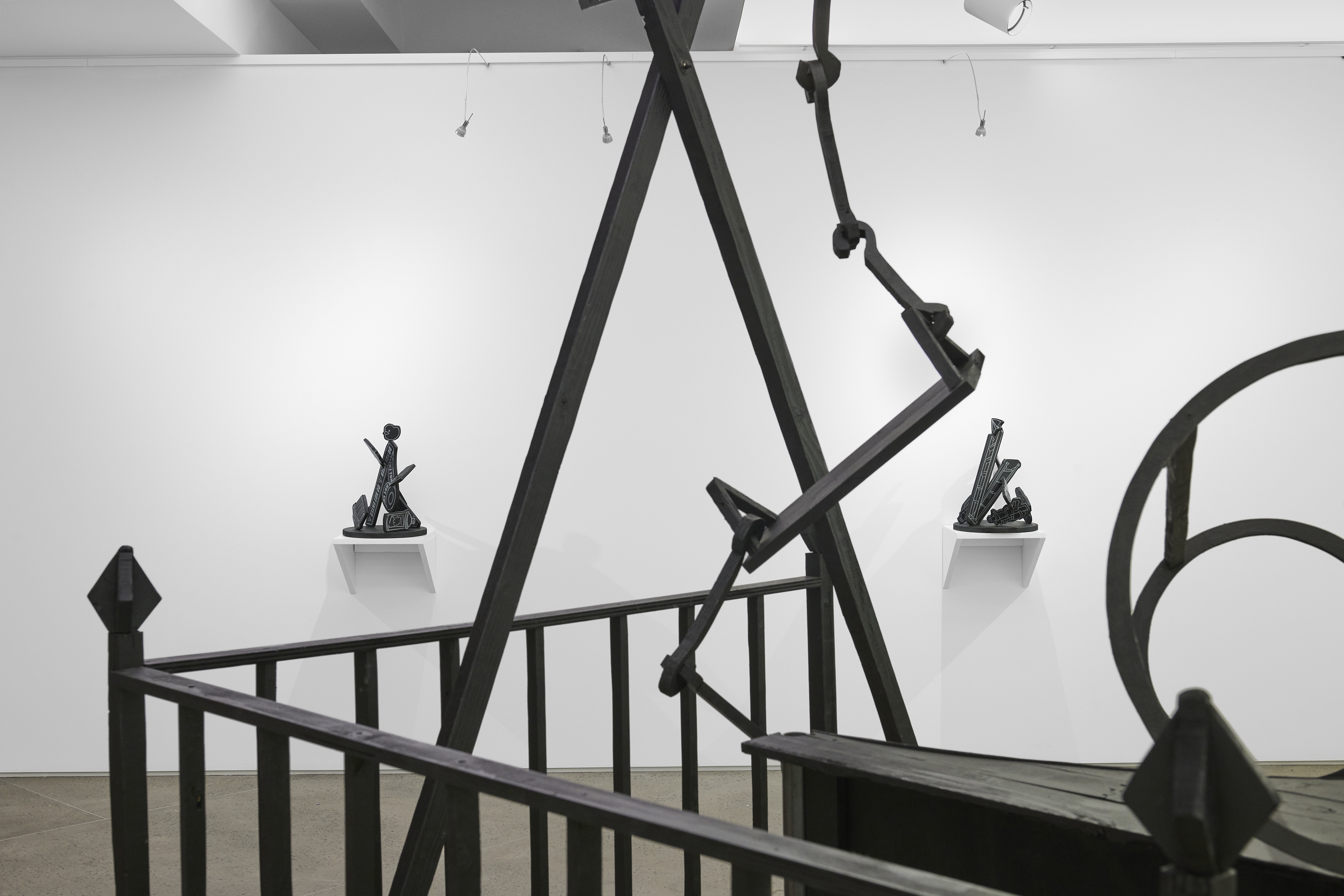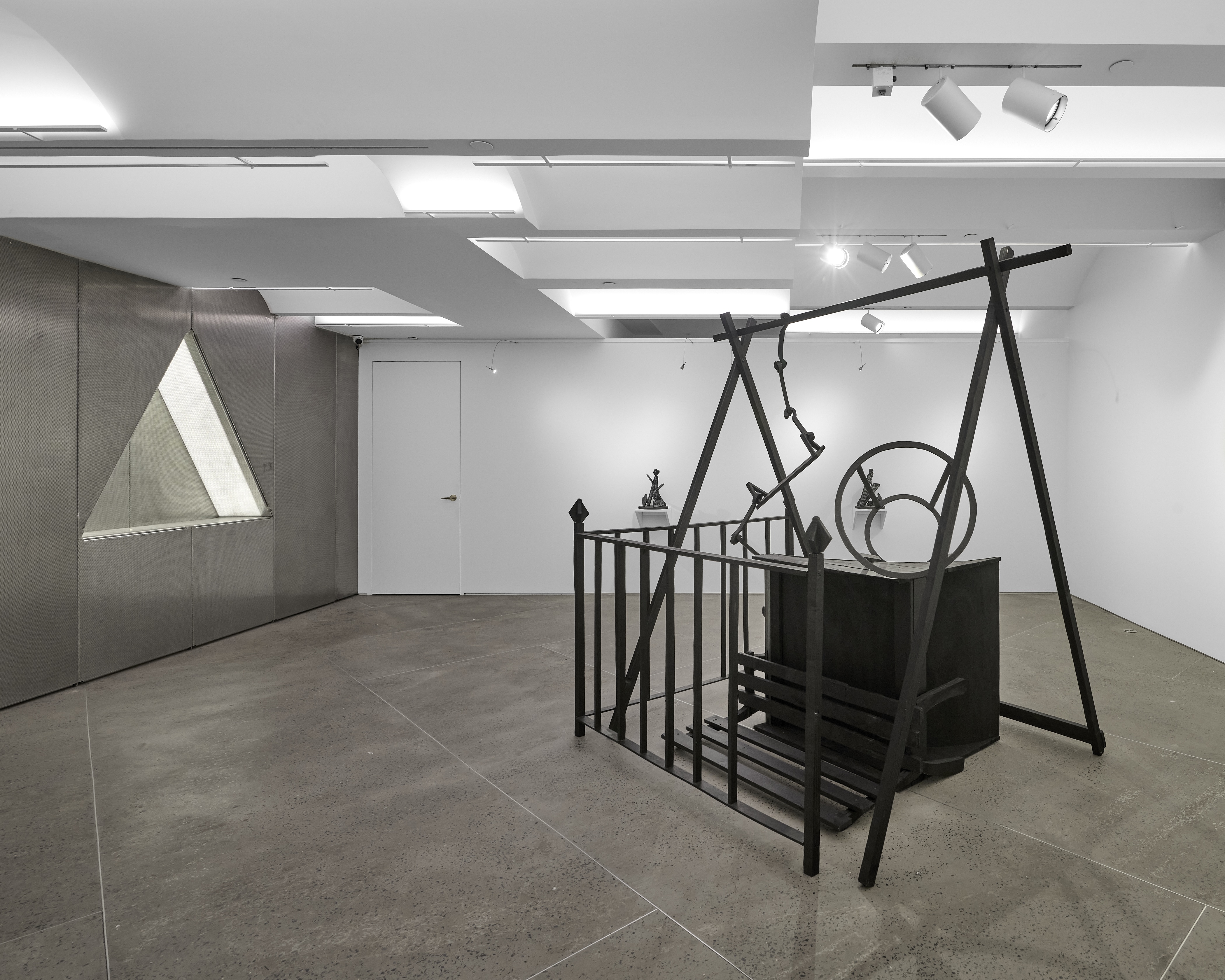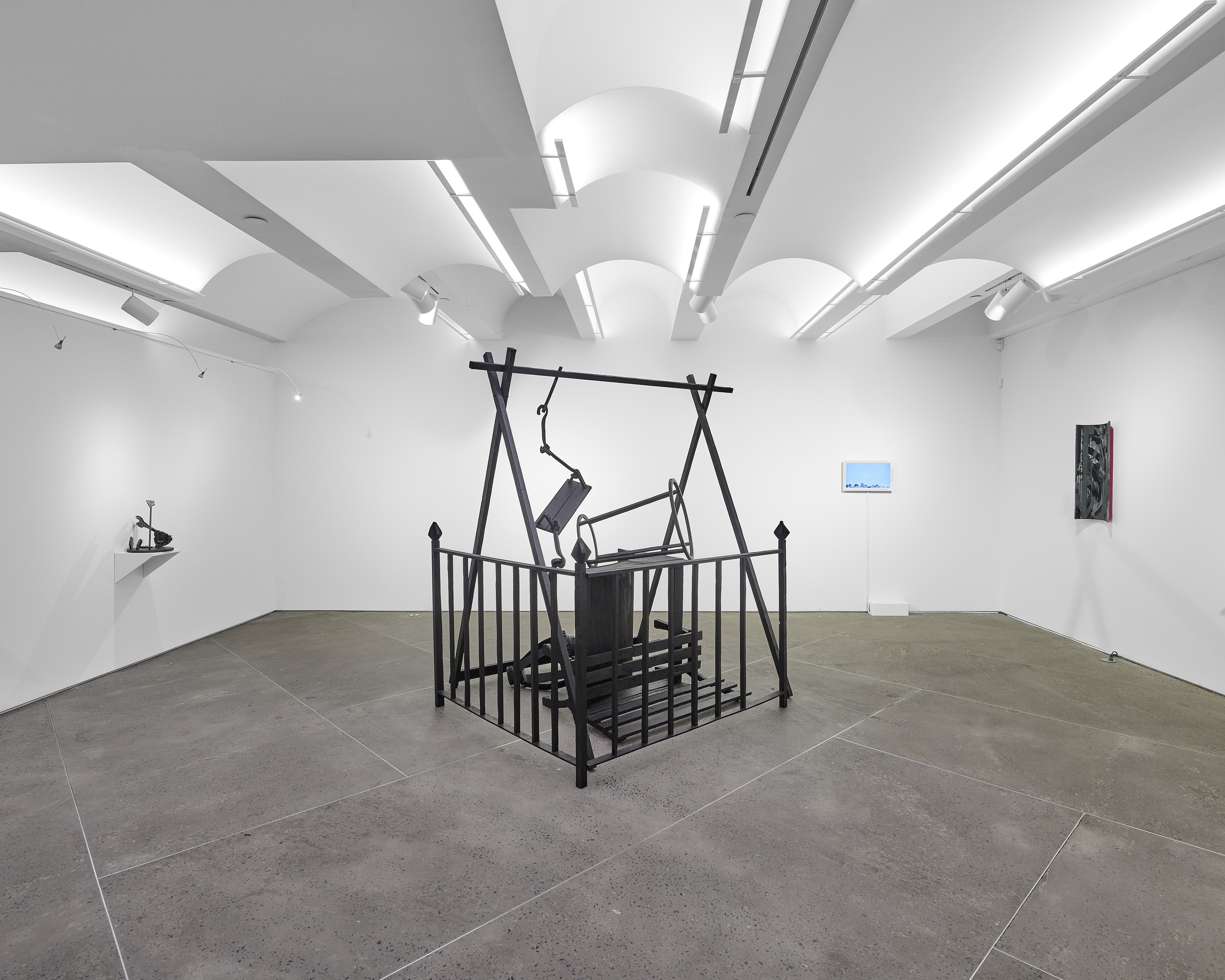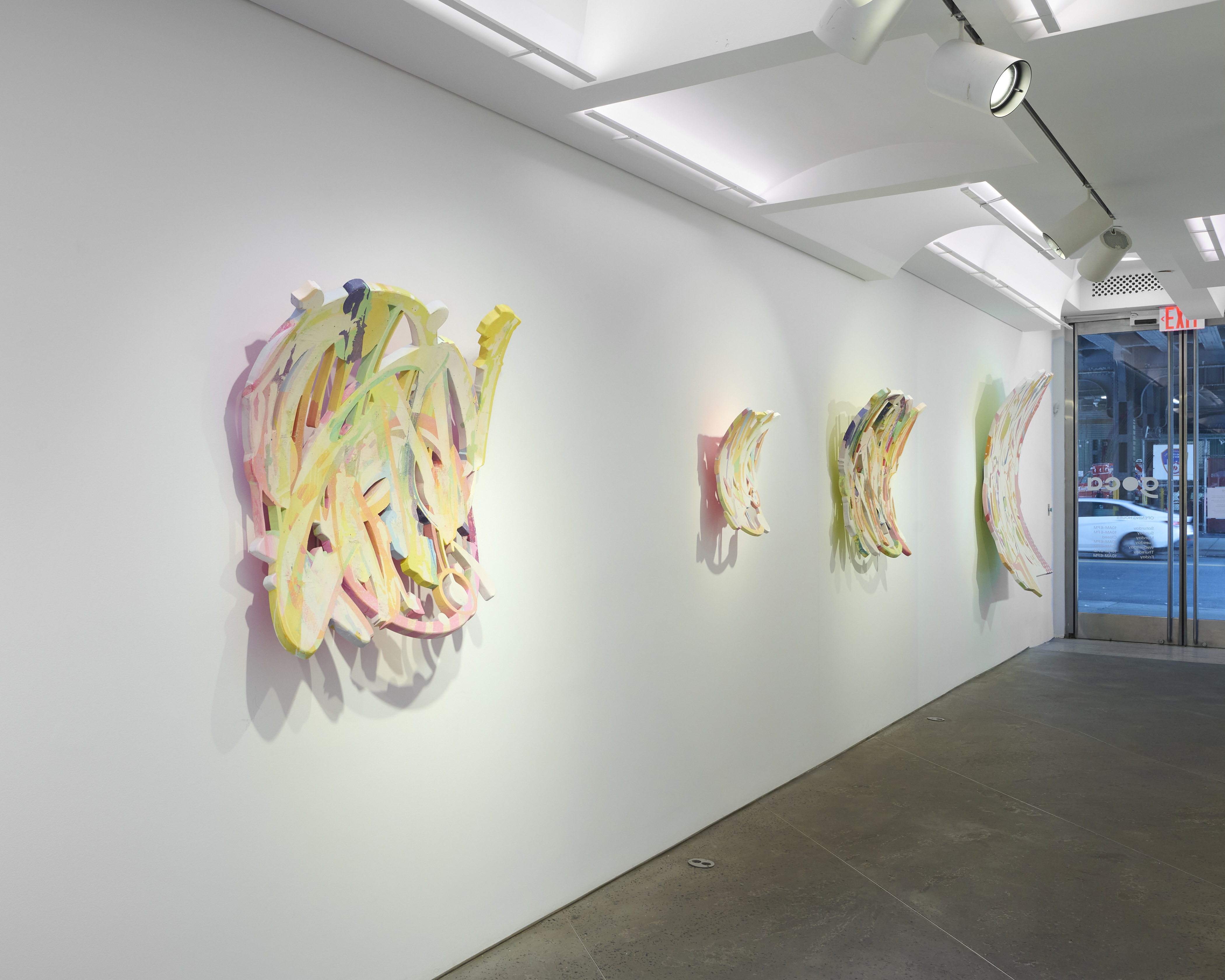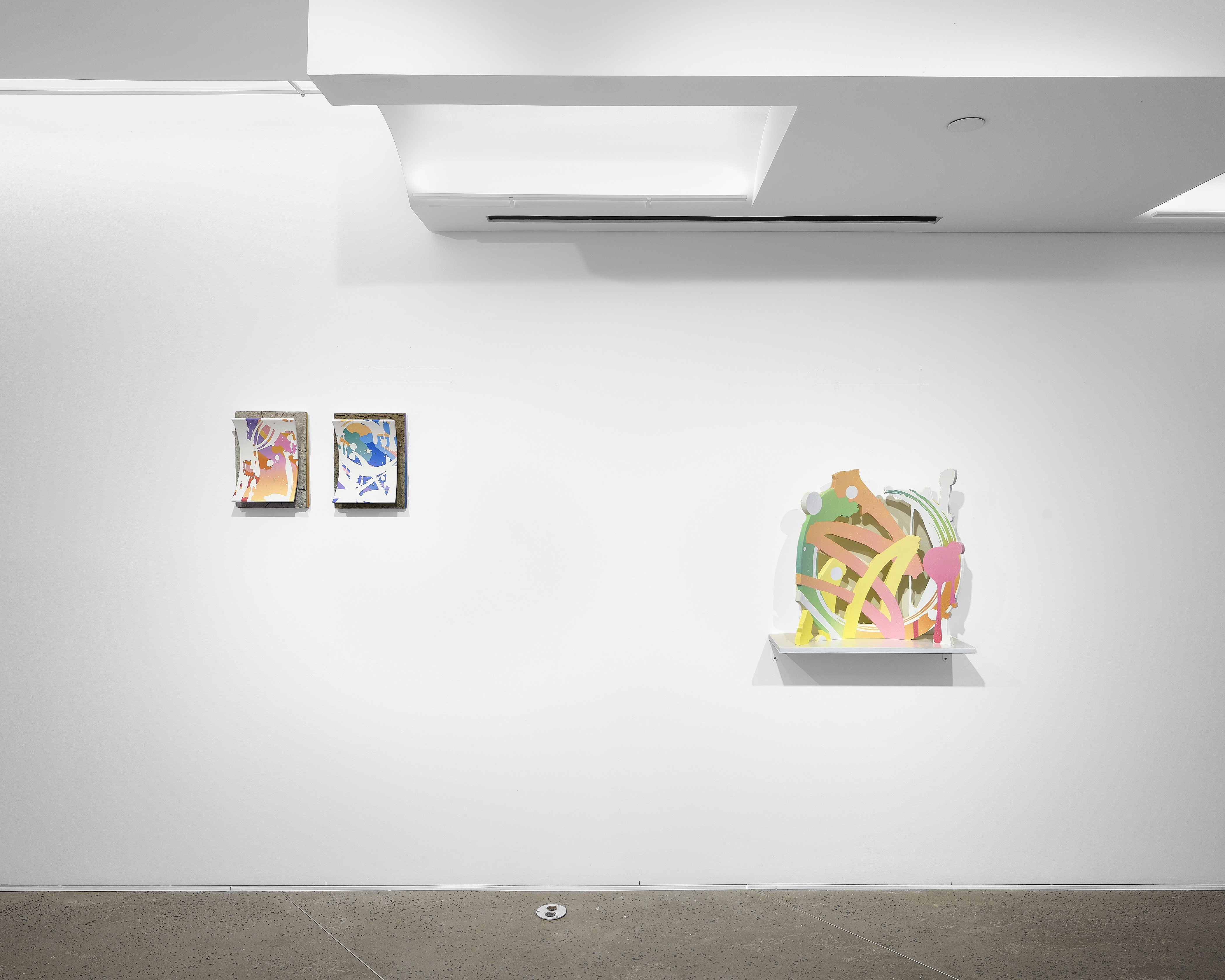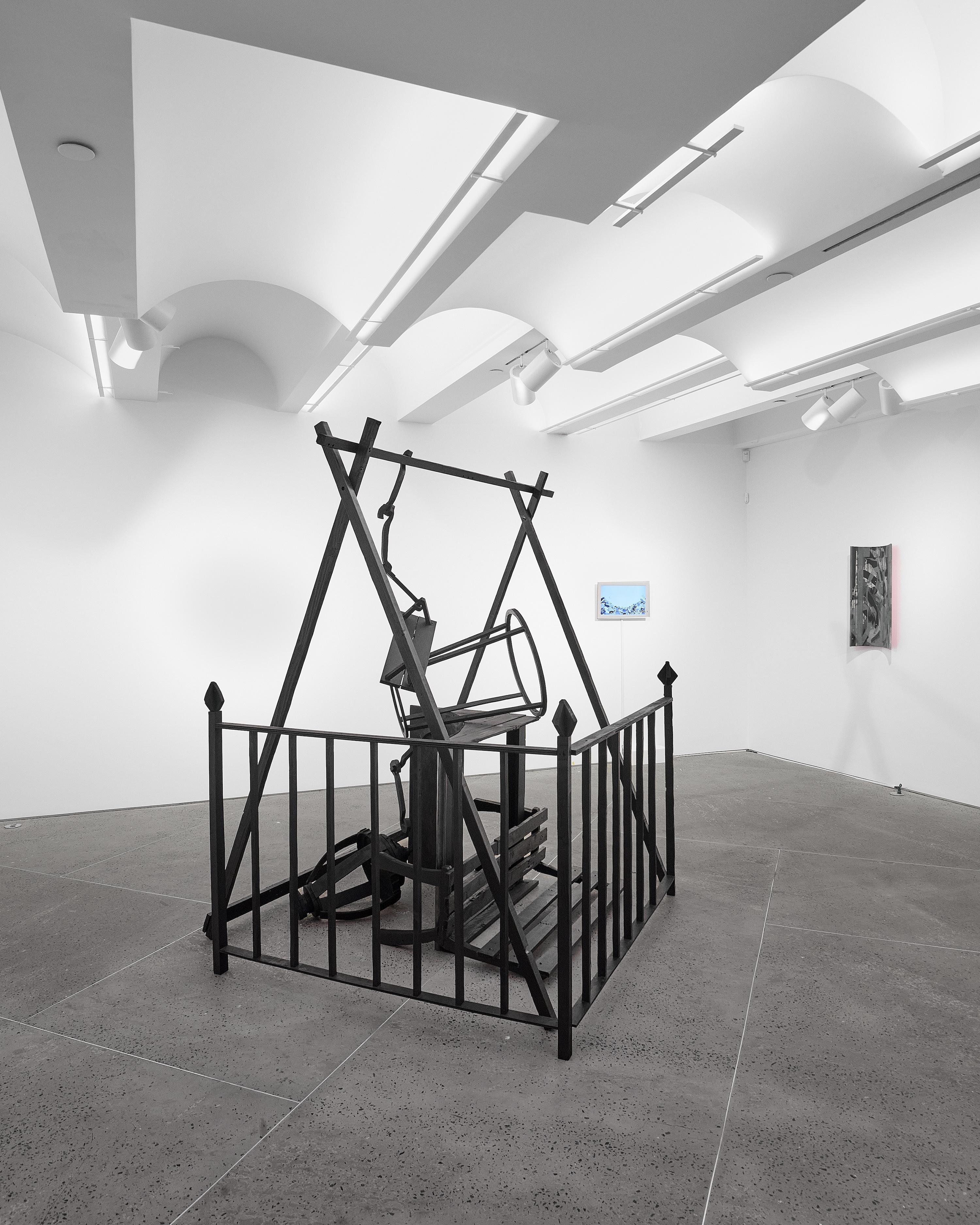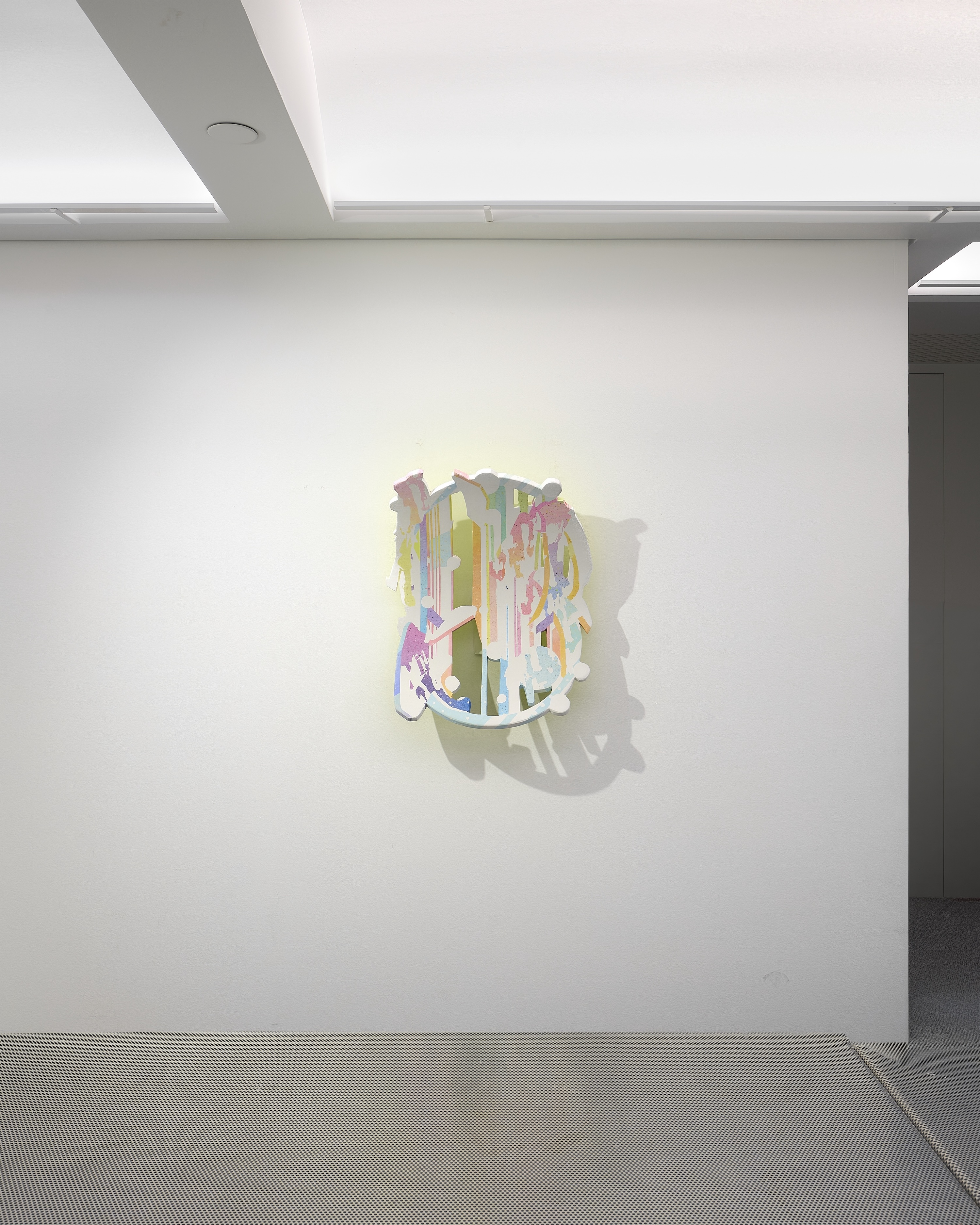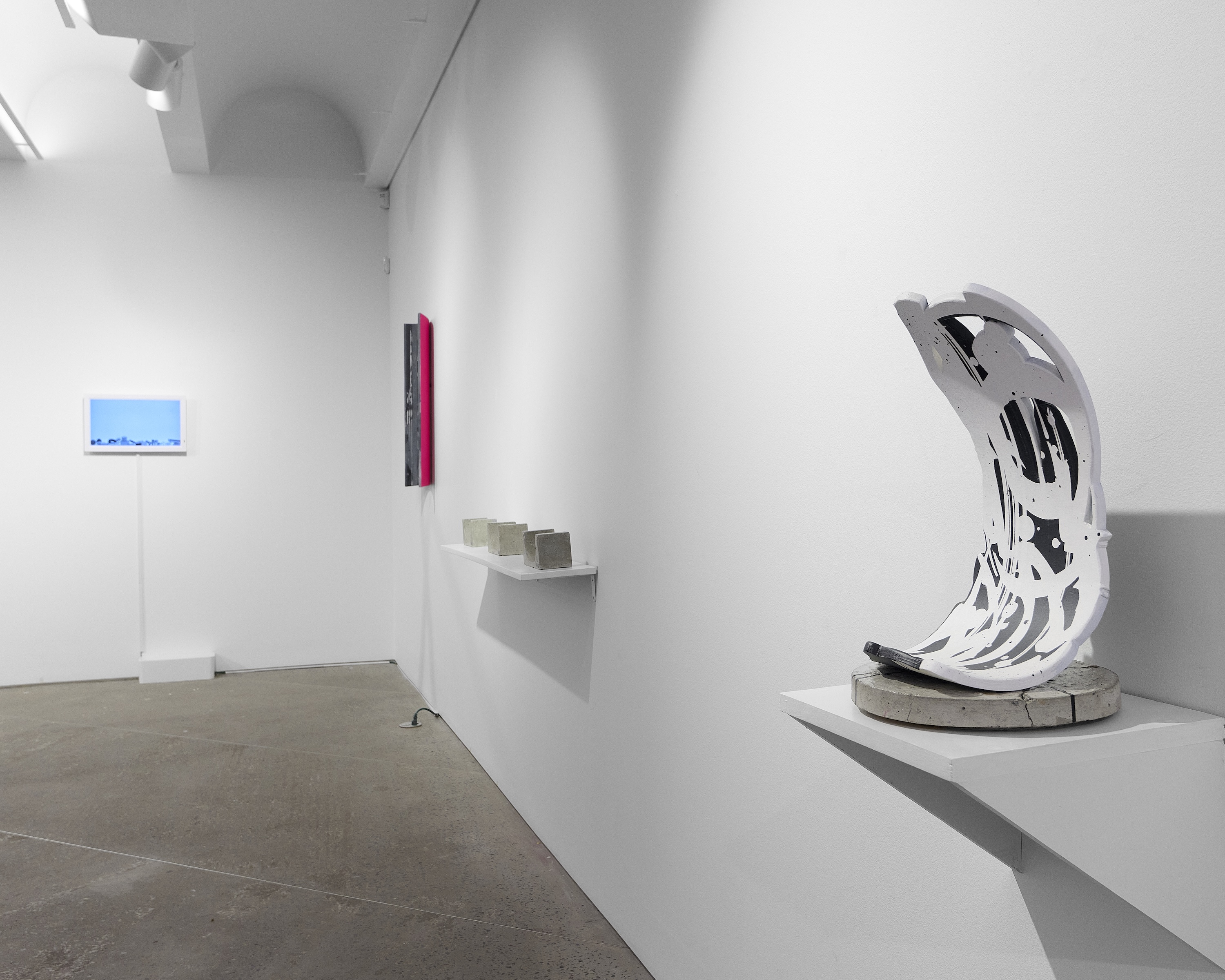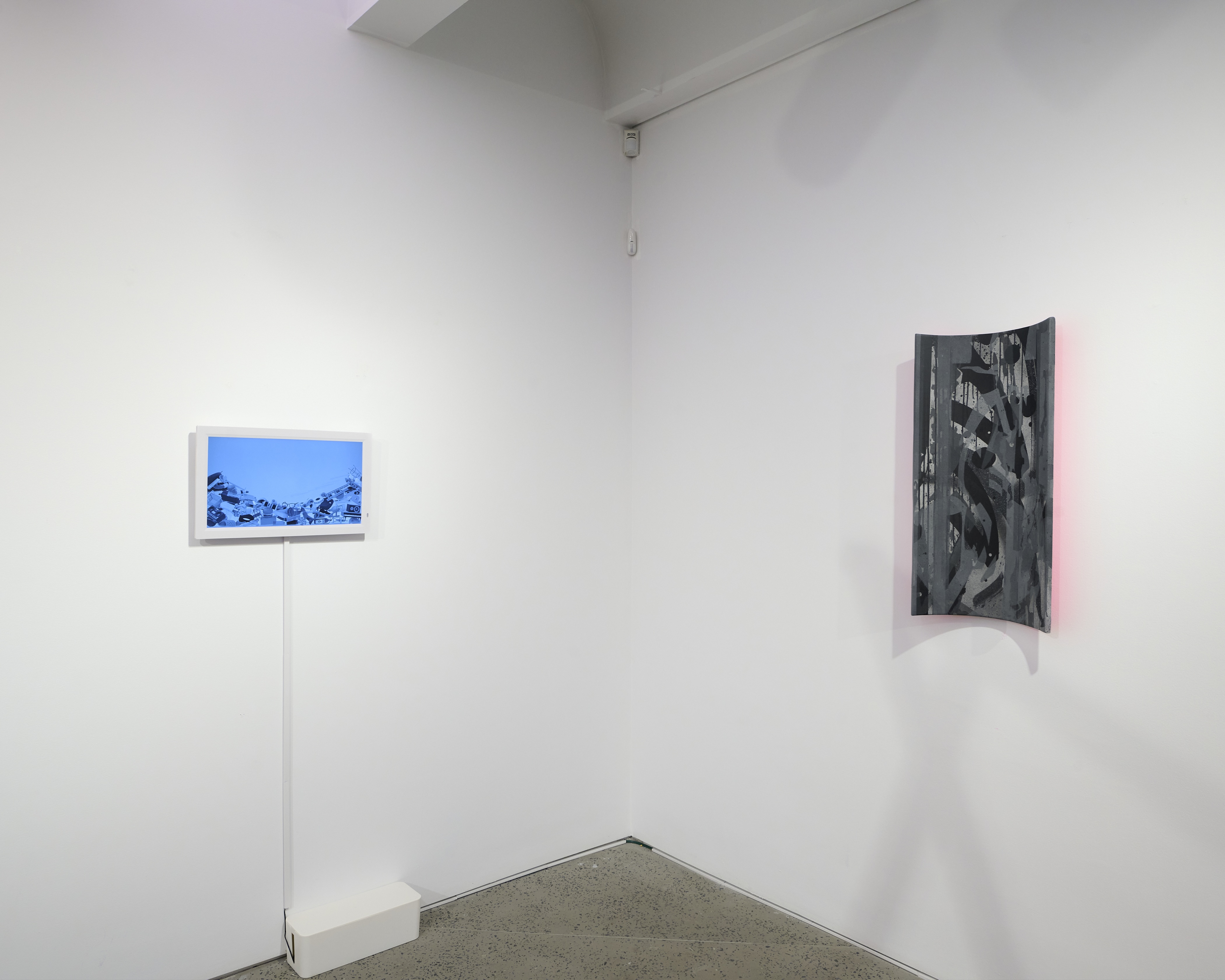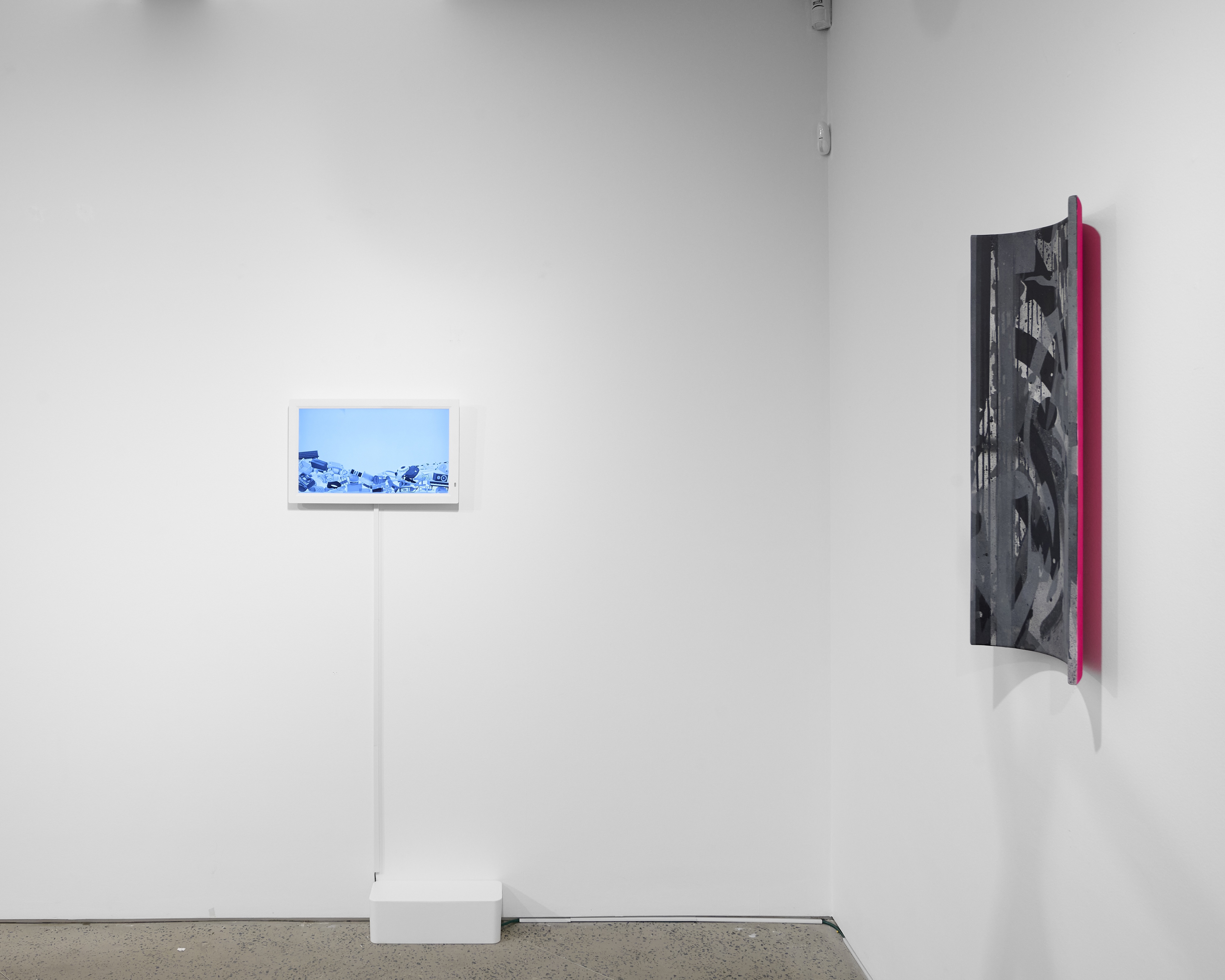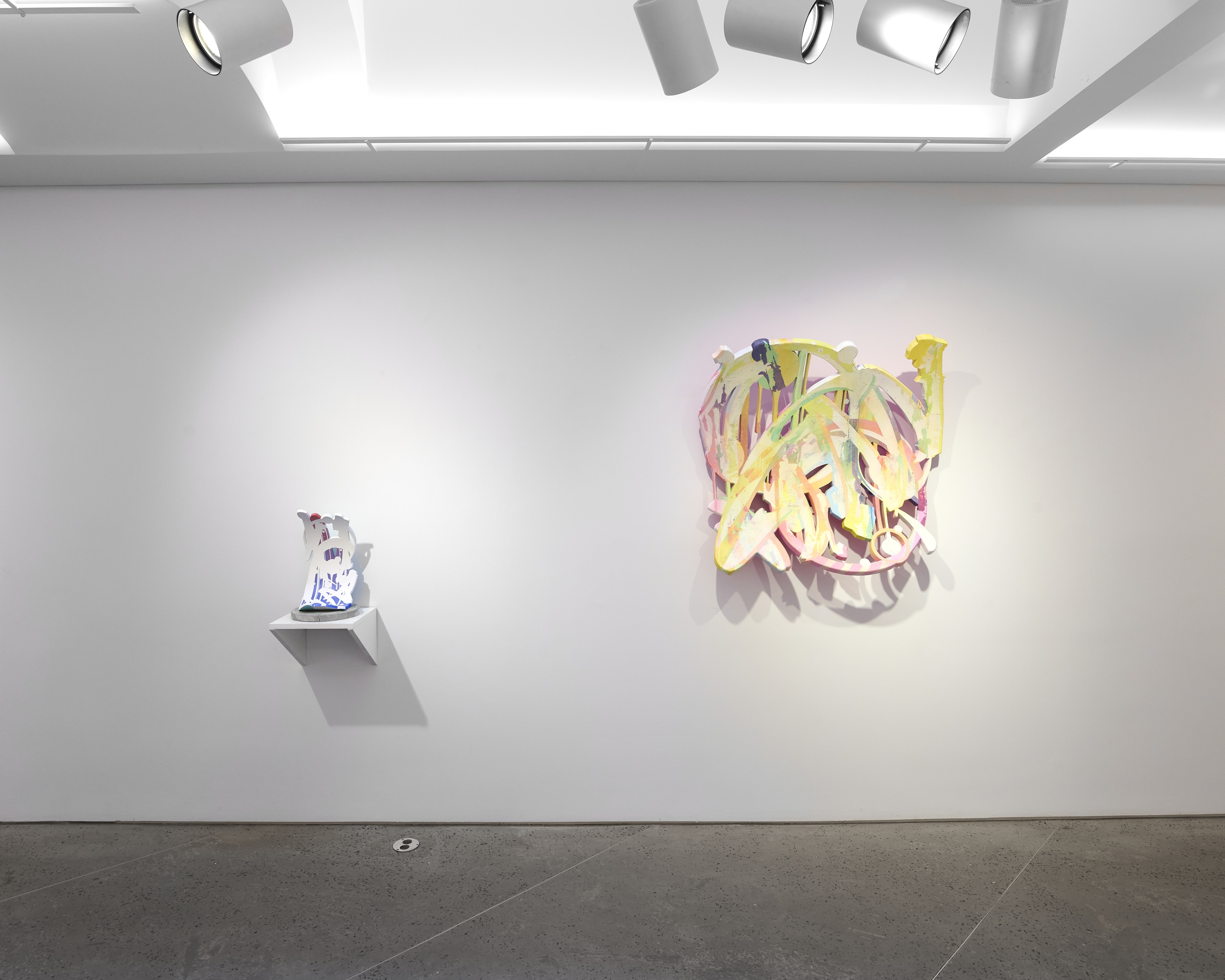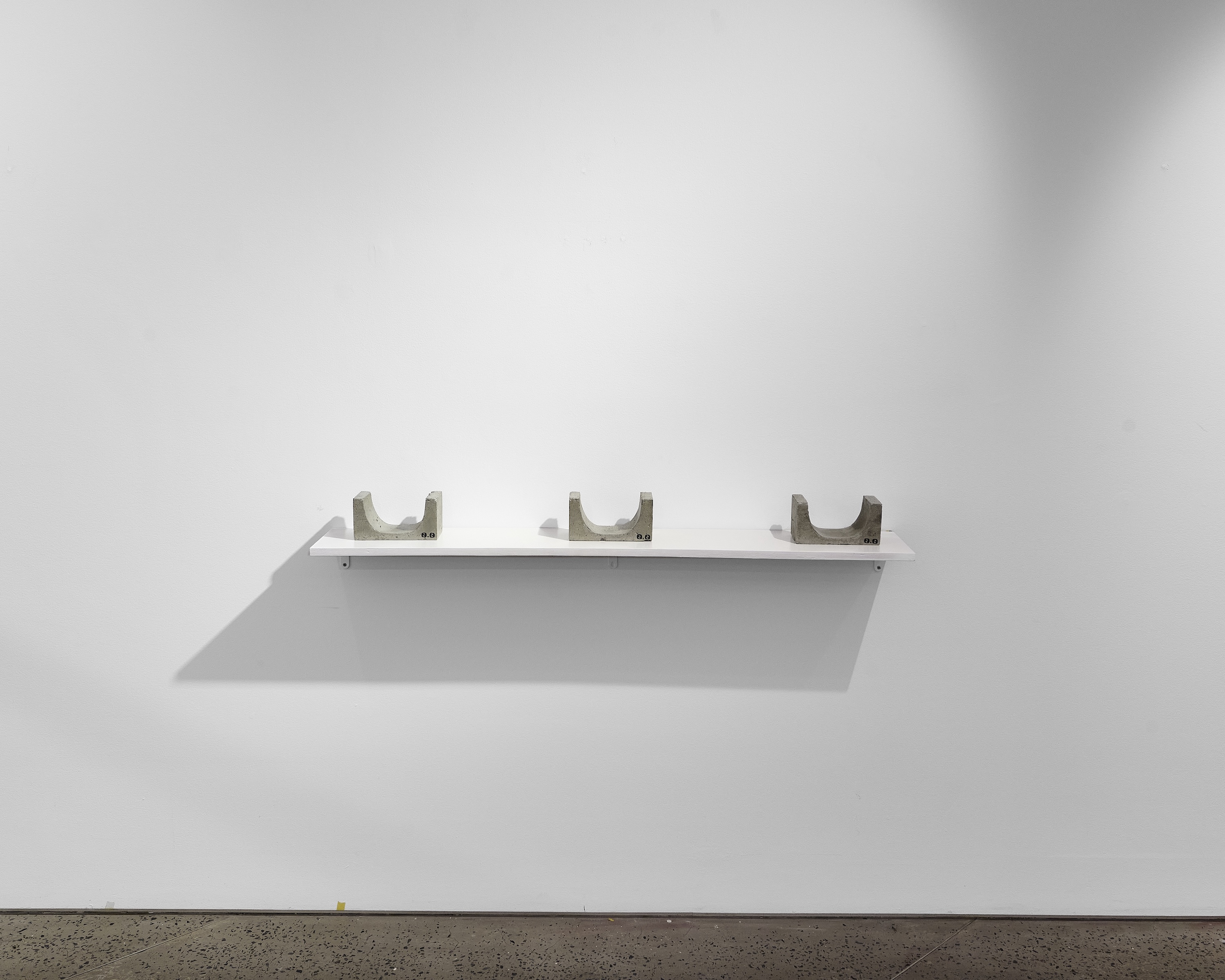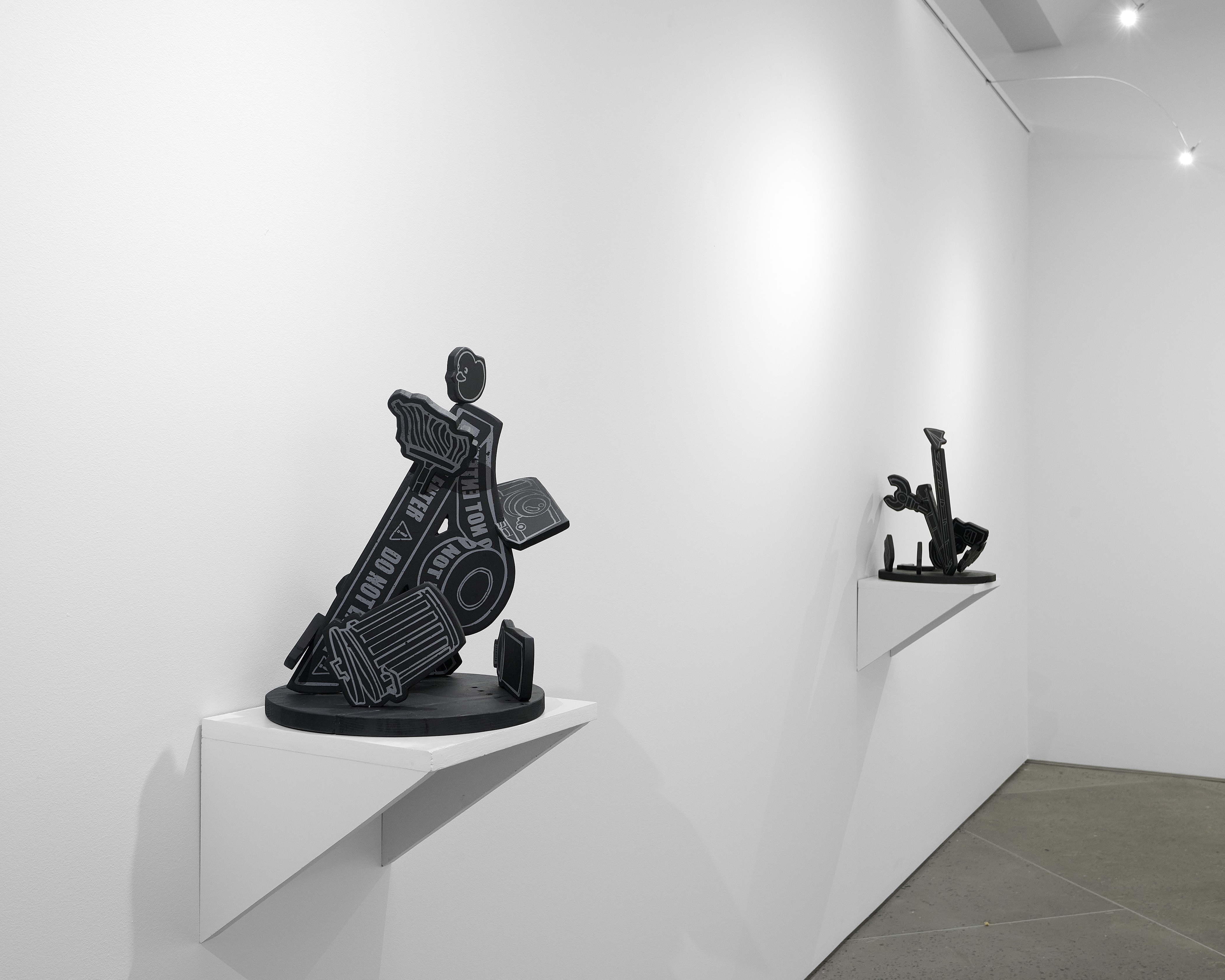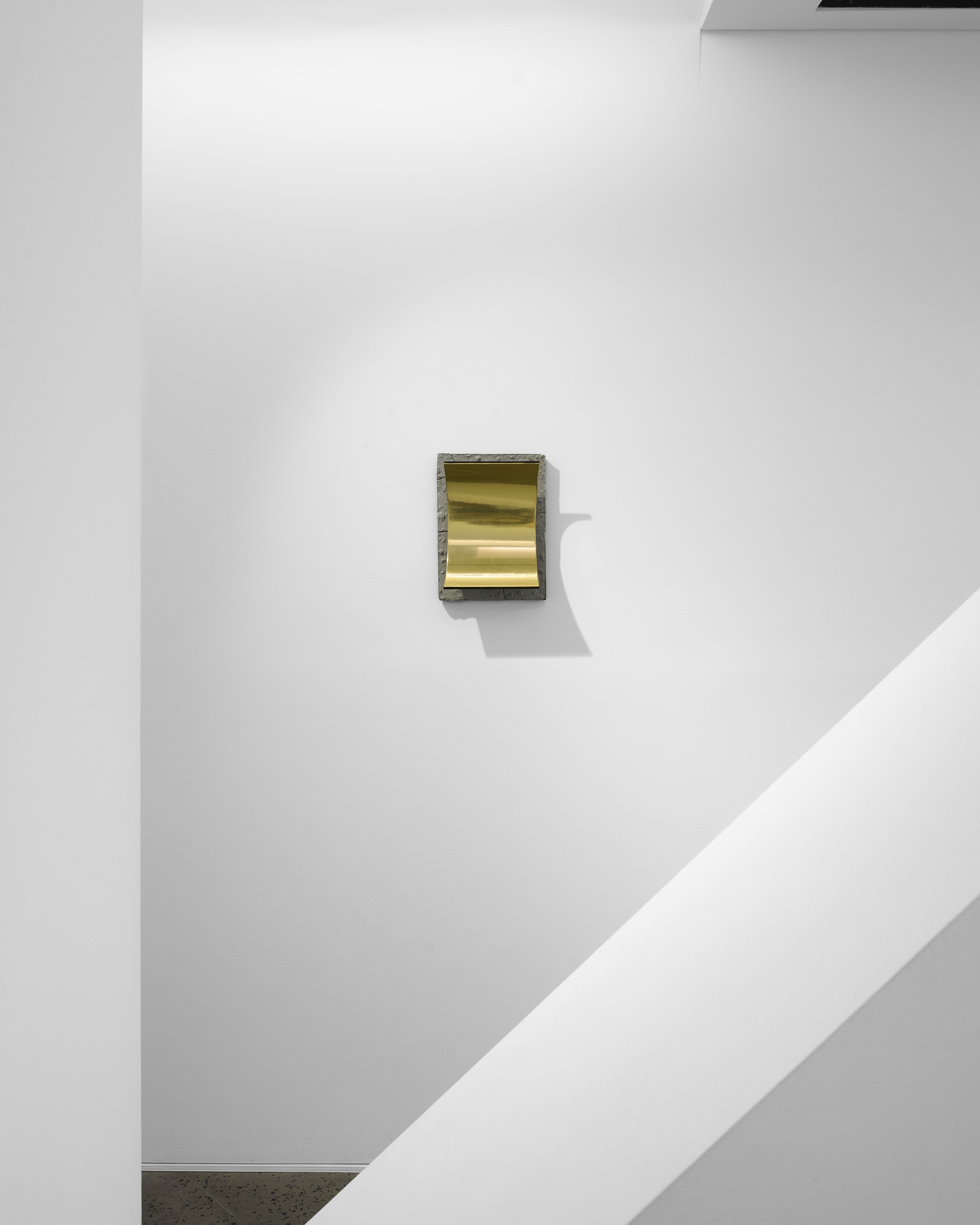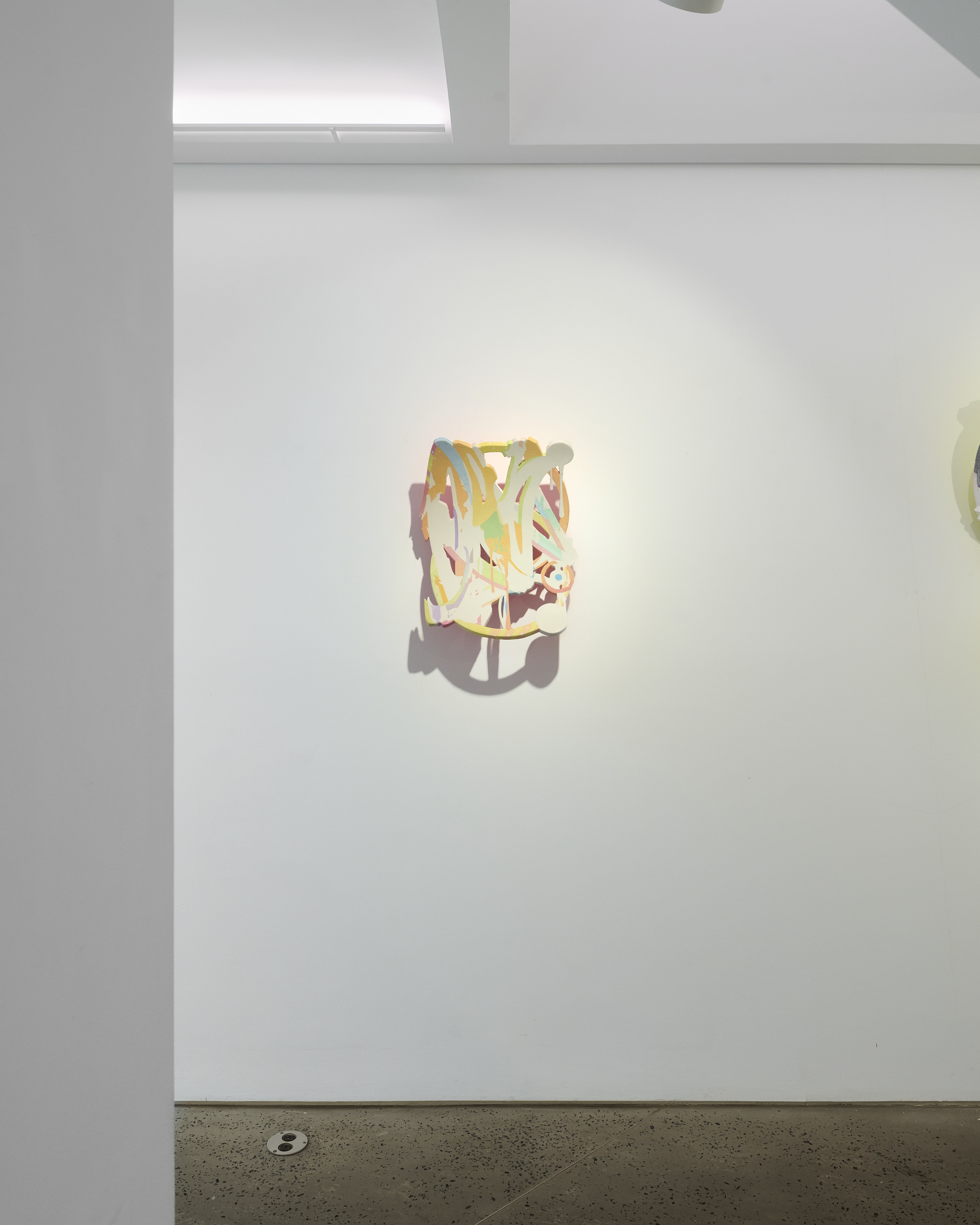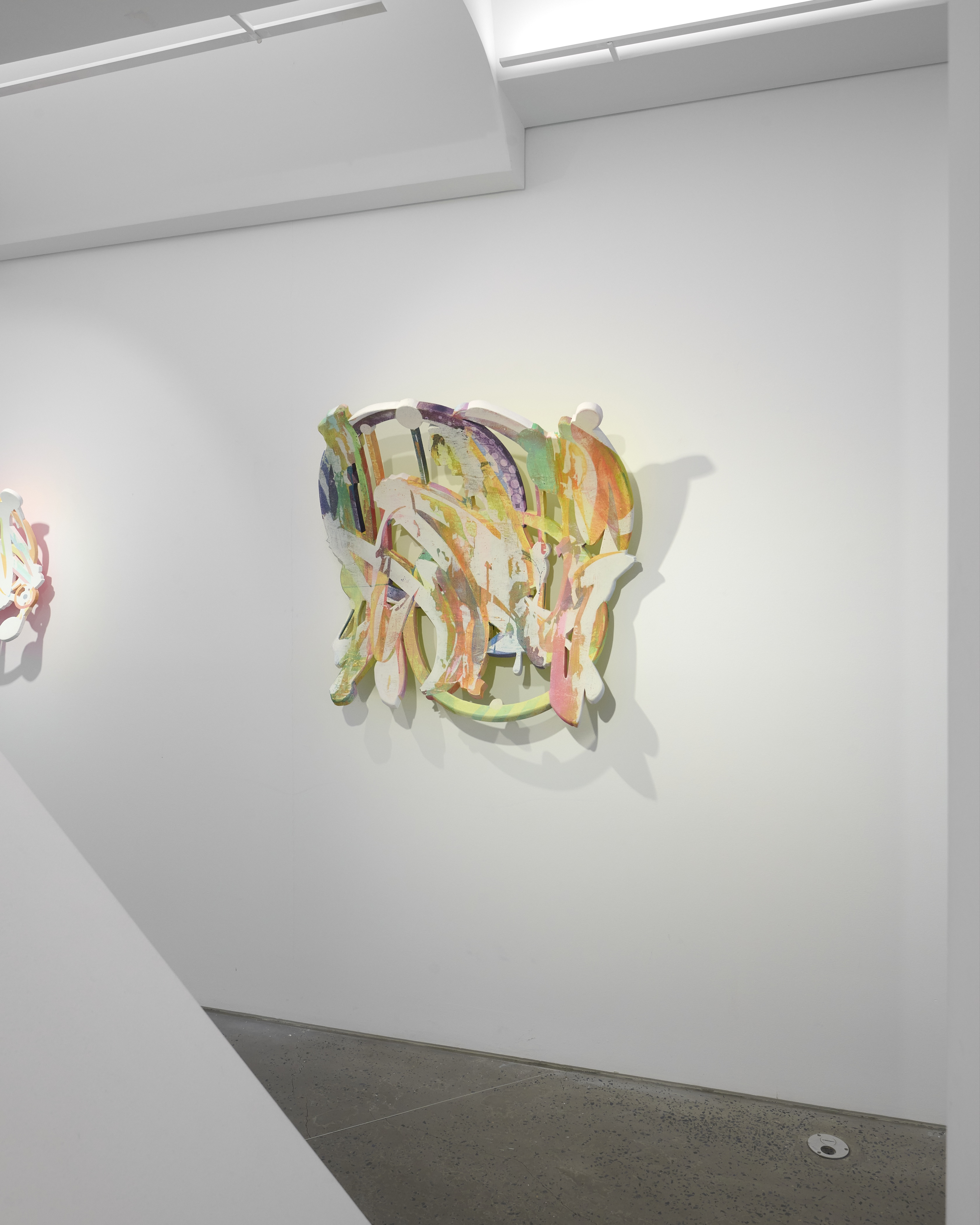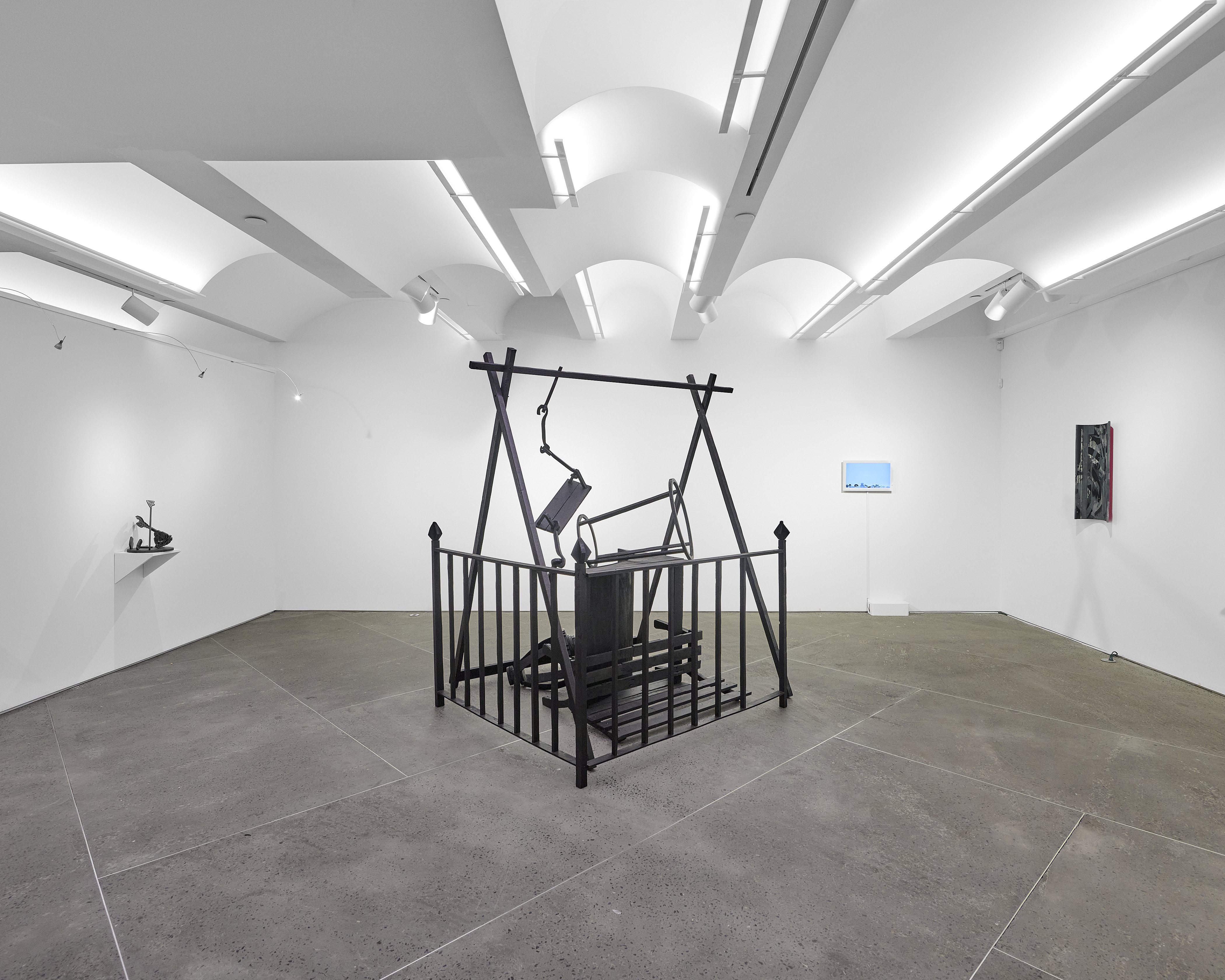
GOCA by Garde is pleased to present Ground Rules, a solo exhibition by Yuya Saito, on view at the gallery's Chelsea space from July 2 through July 25, 2026. The exhibition brings together the body of work Saito has developed under his own term, flow-chitecture, and Park-Scape, a new group of sculptures that turns to the question of public space. Through his distinctive bent-wood works and these new sculptures, Saito takes the park—the public ground of the city—as his point of departure, and asks, from several angles, what a genuinely open public realm, and what freedom, might mean today.
For many years Saito has treated the skateboard ramp as a subject for sculpture rather than as equipment for play. In art, architecture, and design alike, its particular form and the thinking behind it have rarely been taken up in their own right; the ramp has stayed at the margins of each field, filed away as a skater's plaything or as a piece of street-level DIY. Saito reverses this view. In a structure long pushed to the periphery he finds the makings of a significant contemporary civic sculpture, and he fixes his attention on the very thing existing accounts have passed over: the form of the ramp itself. In the United States the ramp is a genuinely public structure—often built by hand, shared without restriction, and at the municipal level, worked into the landscape as common ground. It carries a logic opposite to that of the tower, which stacks upward as a sign of authority and power. Rather than height, it lays a flow along the ground and shares it among those who use it: an architecture of flow. Drawing out the quiet, non-hierarchical horizontality this unassuming form holds, and making it a principle of construction, Saito builds a visual language of his own, which he calls flow-chitecture.
The technique at the heart of Saito's work is an adaptation of bent-wood, the method used in furniture-making. It is a process that seems to loosen the rigid structure of the city and free the timber from fixed meanings and constraints, and at the same time a meeting of furniture craftsmanship with the handmade ramp culture that took root in America. What emerges is a specific object in Donald Judd's sense—neither painting nor sculpture—which, like Carl Andre's floor works, spreads horizontally and sharpens its own refusal of the monument. The surface that Minimalism left blank, Saito fills with marks drawn from the cityscapes he has photographed over time. The fragments of sprayed color and imprinted imagery are not confined to the scratches and stains left on the ramp itself. They are an accumulation of traces — left by countless anonymous individuals across cities and regions, each unknown, yet undeniably present.
The new Park-Scape works extend this reach from the ramp to the park. The park is the city's purest emblem of public space and, increasingly, a landscape under management. Today's park is zoned by use, and the objects placed within it—benches, railings, play structures—prescribe in advance how those who pass through will behave. Saito's new sculptures dismantle that prescription in physical terms. Joining the profile of a bench to that of a slide in a single structure, these objects—standing between architecture and landscape—refuse both sitting and sliding; they keep only the outward look of park furniture and strip away its use. What remains is a margin: open form that compels no particular action. Seen alongside Franz West's Passstücke and Isamu Noguchi's designs for public playgrounds, the Park-Scape works hold the contour of civic furniture while releasing the body from the instructions such furniture ordinarily imposes. The Escape of the title is exactly this—an escape from the managed landscape.
The most ambitious precedent for this undertaking is Frank Stella (1936–2024). Stella's work began at the boundary between the frame and the body of the painting and went on testing how far that boundary could be pushed—lifting it off the wall into relief, and finally into the real space of architecture. What Saito takes from him is the freedom to cross the divisions that separate painting, sculpture, and architecture. He turns that same freedom, however, in the opposite direction. Where Stella's project was additive—expanding painting into architecture, annexing real space upward and outward as territory for the picture—Saito's is subtractive. He draws the object down to the ground, pares away its use, and declines the verticality of the monument. The very freedom with which Stella pushed painting upward, into architecture, Saito turns the other way—toward the ground, toward public use, toward the moving body—and gathers it into the warmth of bent-wood form.
About the Artist
Yuya Saito (b. 1982, Japan) lives and works in Brooklyn, New York. He makes wall-based works and freestanding sculpture in laminated and bent wood, a language he has developed over more than a decade out of the craft of bent-wood furniture-making. Saito’s work has been presented internationally at such institutions and venues as Rockefeller Center, New York; Brooklyn Army Terminal, New York; National Art Center, Tokyo; and Setagaya Art Museum, Tokyo. Public commissions include installations for the Brooklyn Army Terminal, New York (2026) and Art Link at Yokohama Red Brick Warehouse (2022). He is the recipient of the TRiCERA Award and Jury Award at IAG Awards 2021, as well as the Special Jury Award at Independent Tokyo 2020.