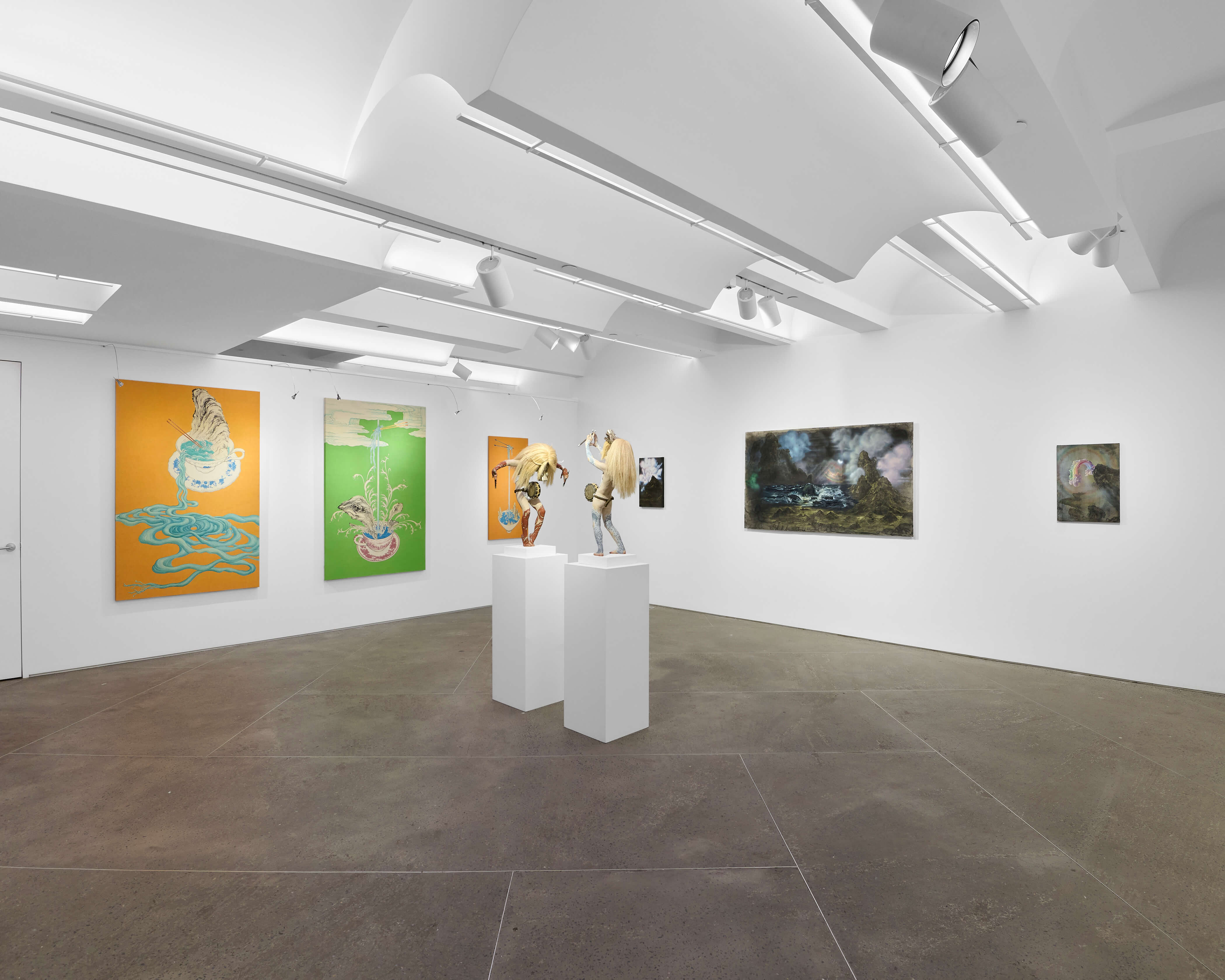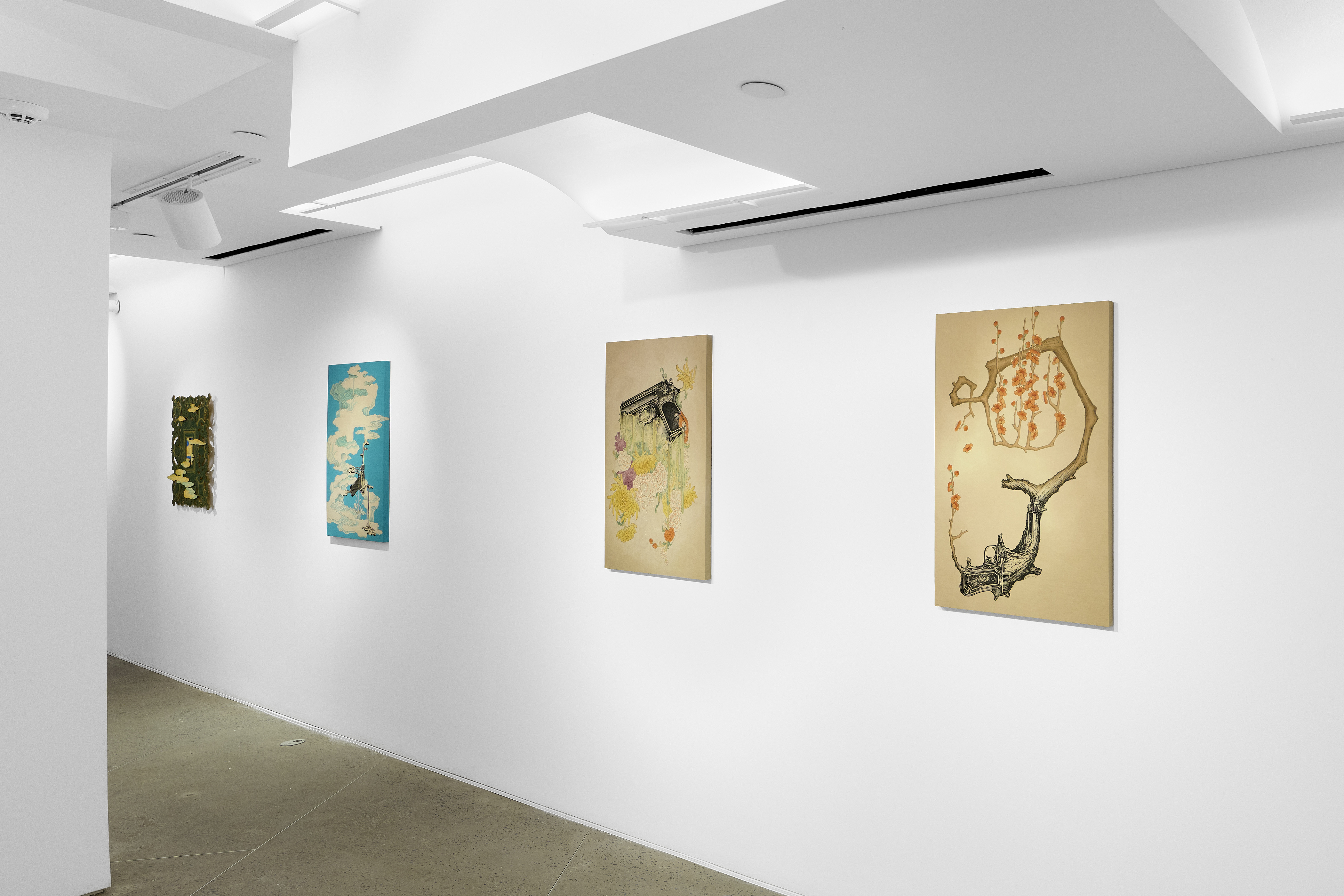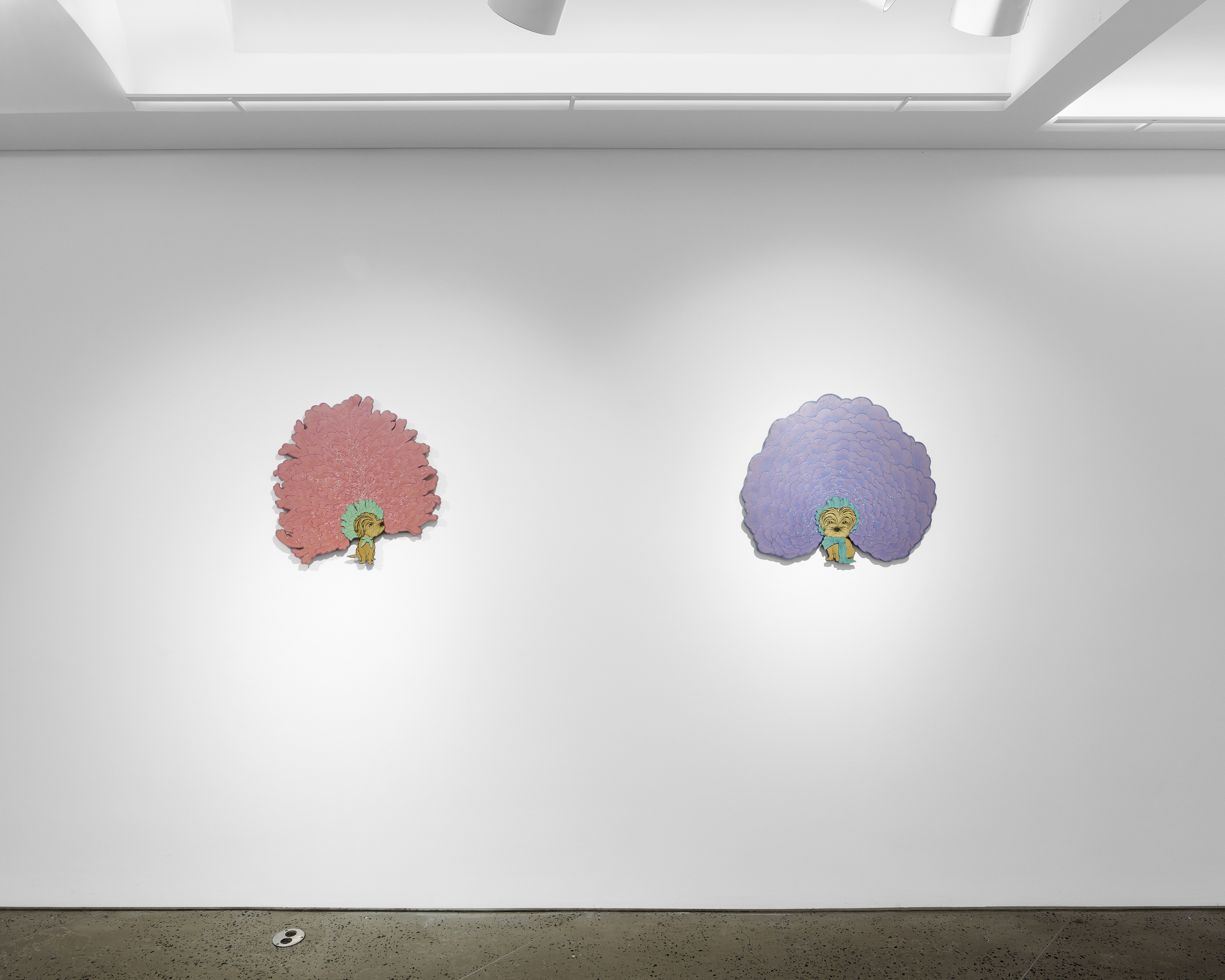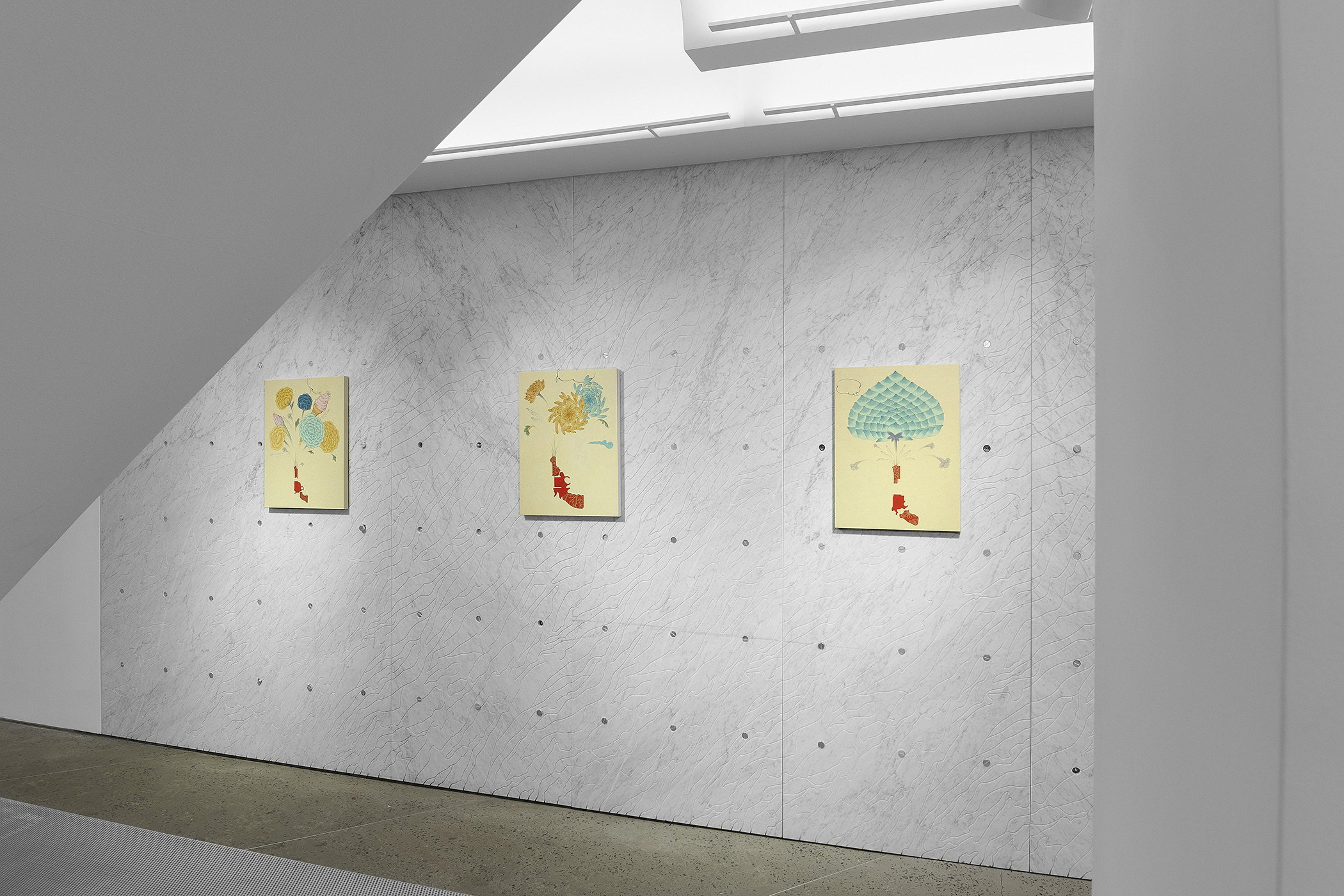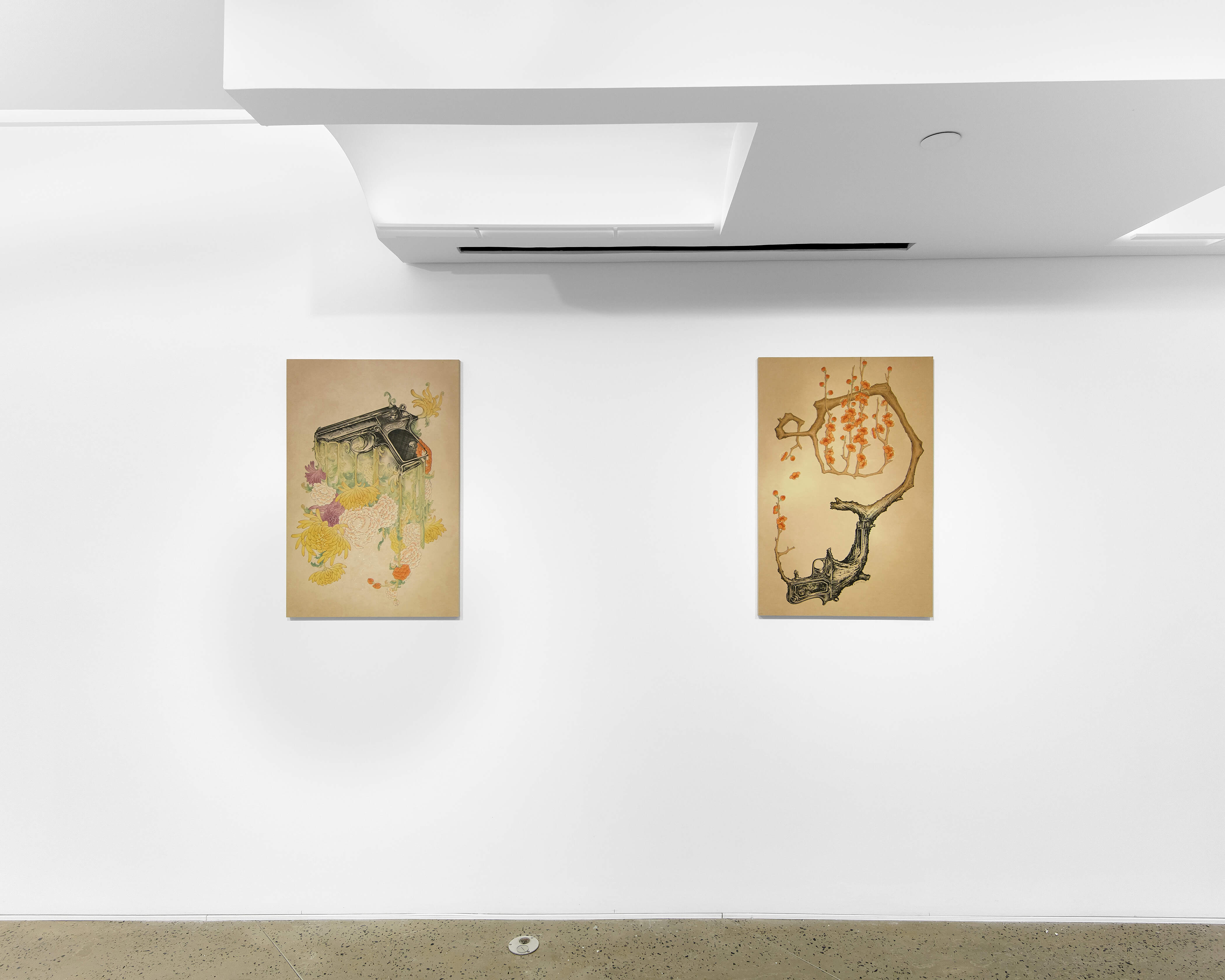
Beyond the Archetype focuses on the historical formation of "archetypes" while fluidly examining their boundaries, offering a panoramic visualization of the underlying frameworks of life, nation, and culture. Adopting an unrestrained, objective perspective—characterized by profound composure and occasional humor—the exhibition observes the inherited provenances bestowed upon us, ultimately redefining the intersection of tradition and contemporaneity.
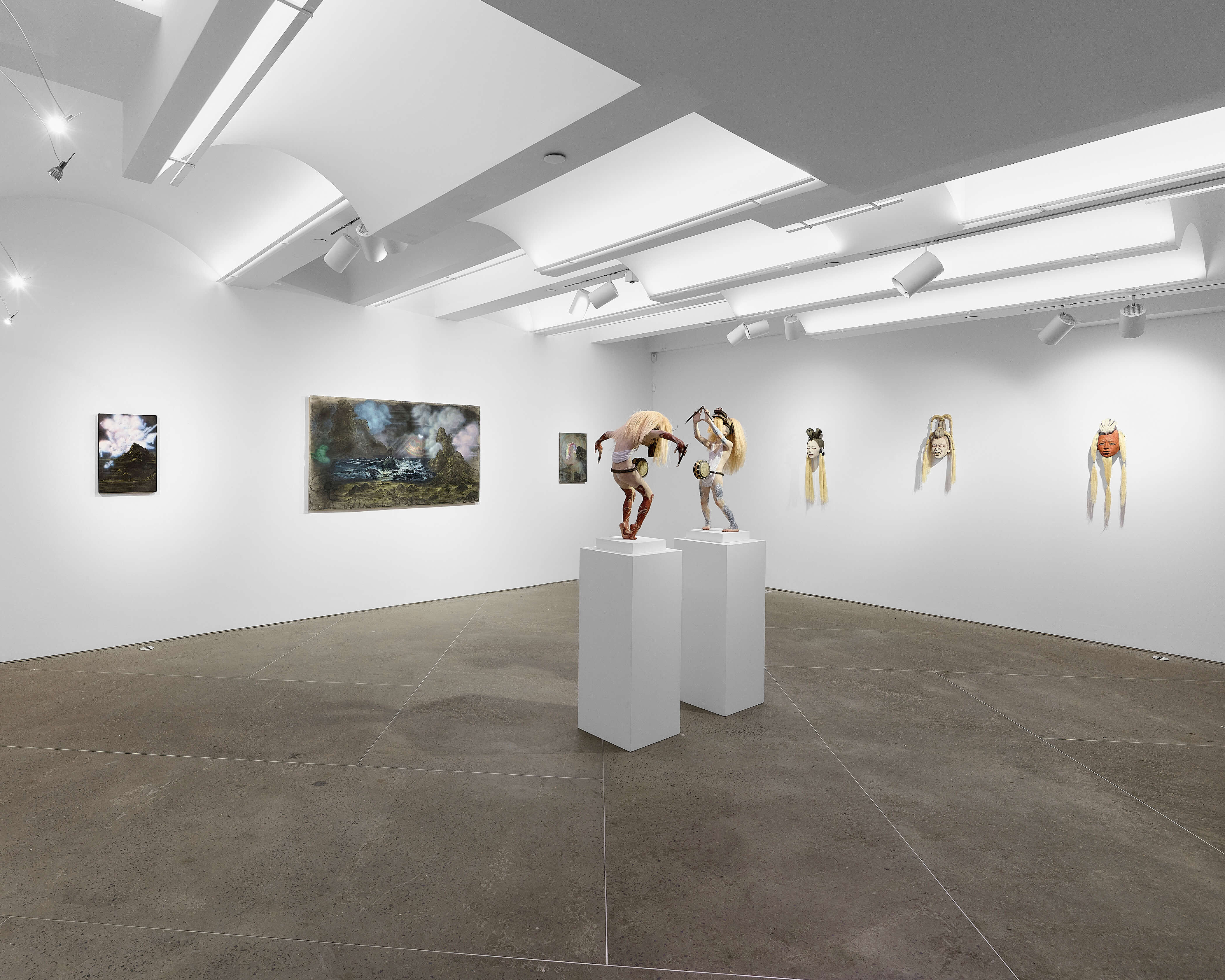
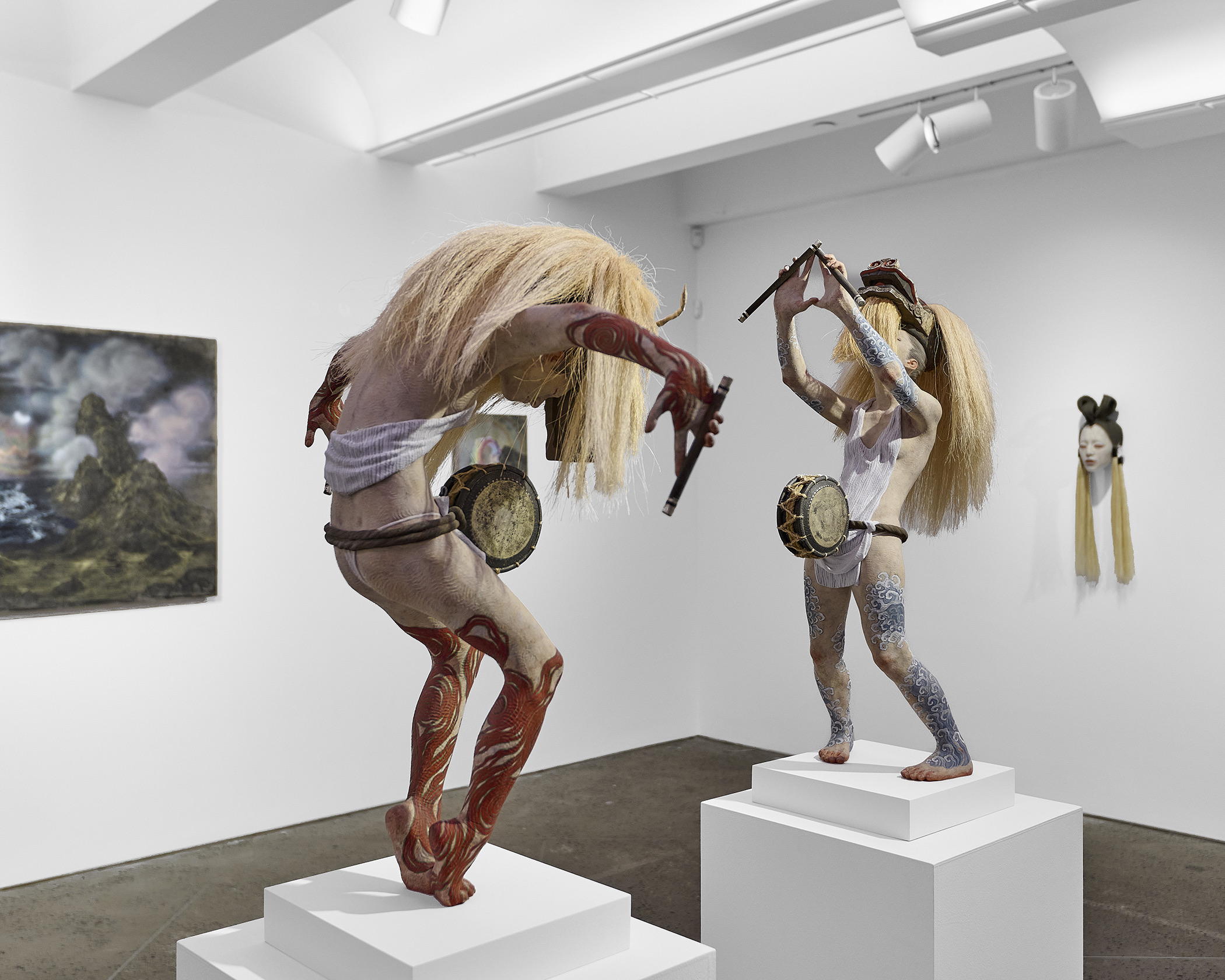
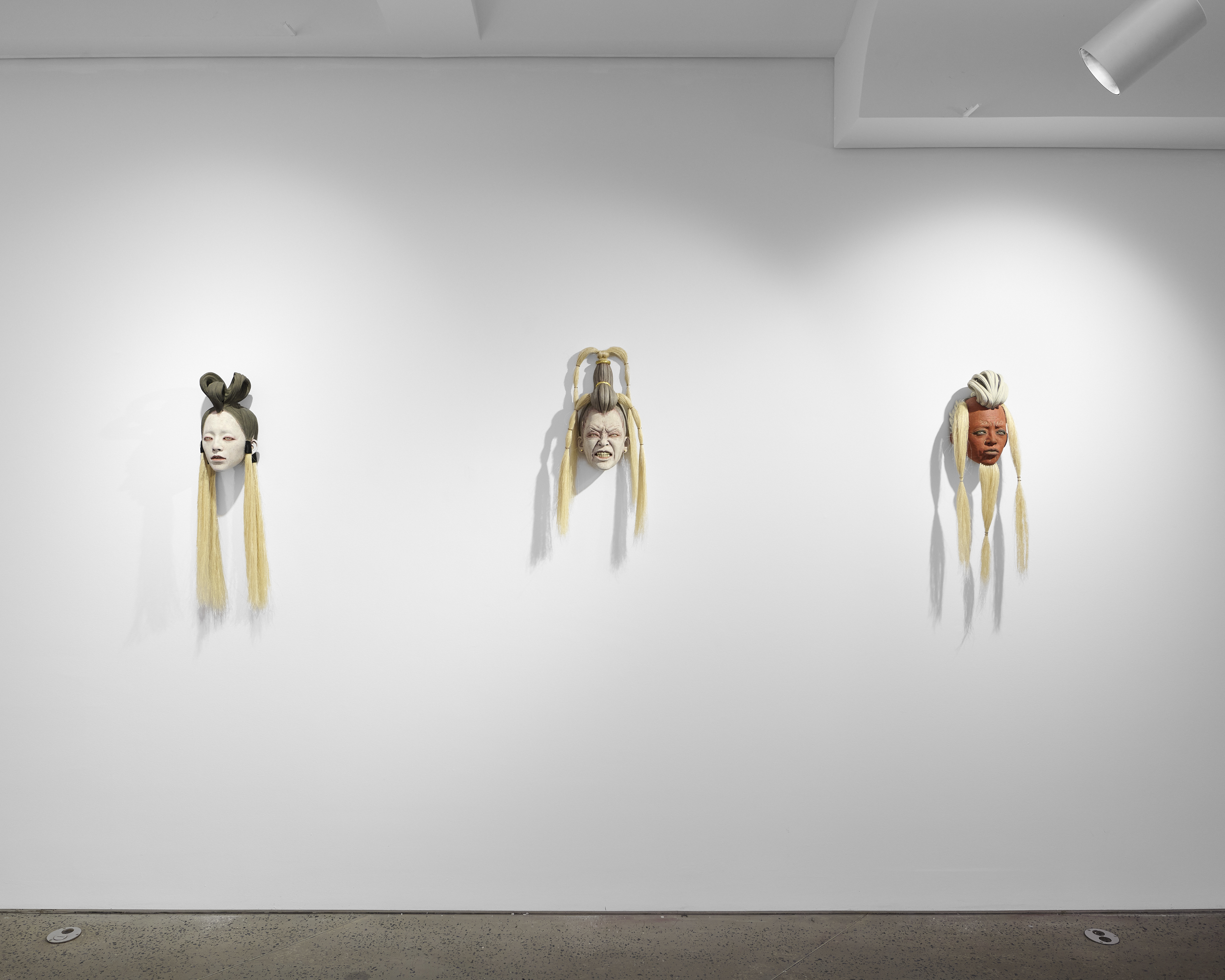
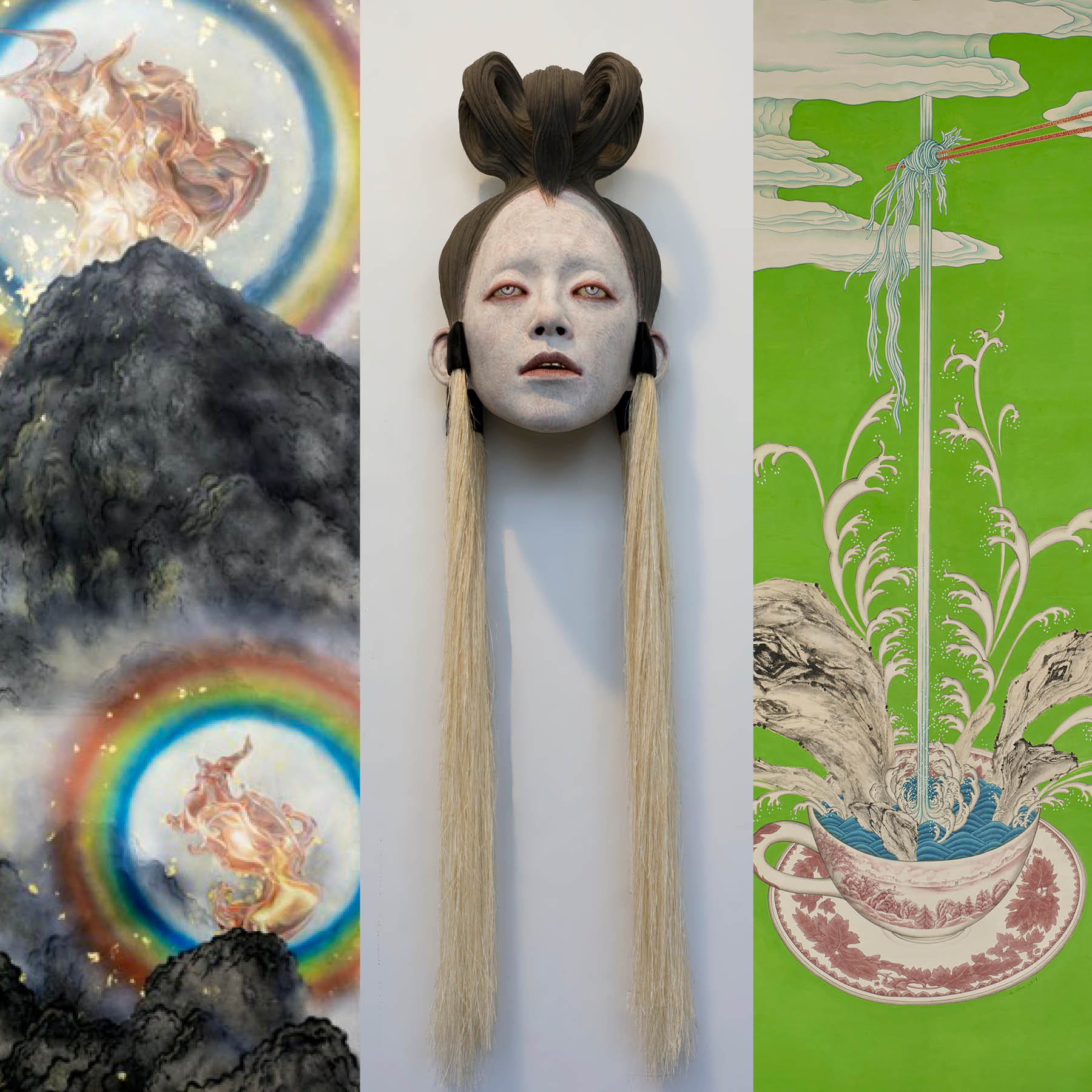
Chié Shimizu questions human existence in modern society through meticulous sculptural techniques rooted in traditional Japanese arts and culture. Her practice is profoundly grounded in Geidō—the lifelong discipline of traditional arts such as Noh and the tea ceremony—as well as the notion of impermanence permeating classic Japanese literature, and the unique aesthetic of Yūgen (a mysterious profundity). By superimposing the anxieties borne of contemporary uncertainties—such as the global pandemic of 2020 and political turmoil—onto the emotionally rich masks used for centuries in Noh performances, she projects these complex emotions onto her realistic Head Series.Untitled No. 16 draws inspiration from Shishi-Mai (the lion dance), an ancient dance performed throughout Japan since the 8th century to bring good fortune and ward off evil spirits. Through two figures in contrasting poses of stillness and dynamic motion, the work implies the vital importance of maintaining both mental and physical balance. By recomposing such ancient shamanism and the concept of the transience of life into contemporary narratives, the artist examines the human condition to explore the fundamental meaning of life, crystallizing motifs of impermanence into symbolic archetypes.
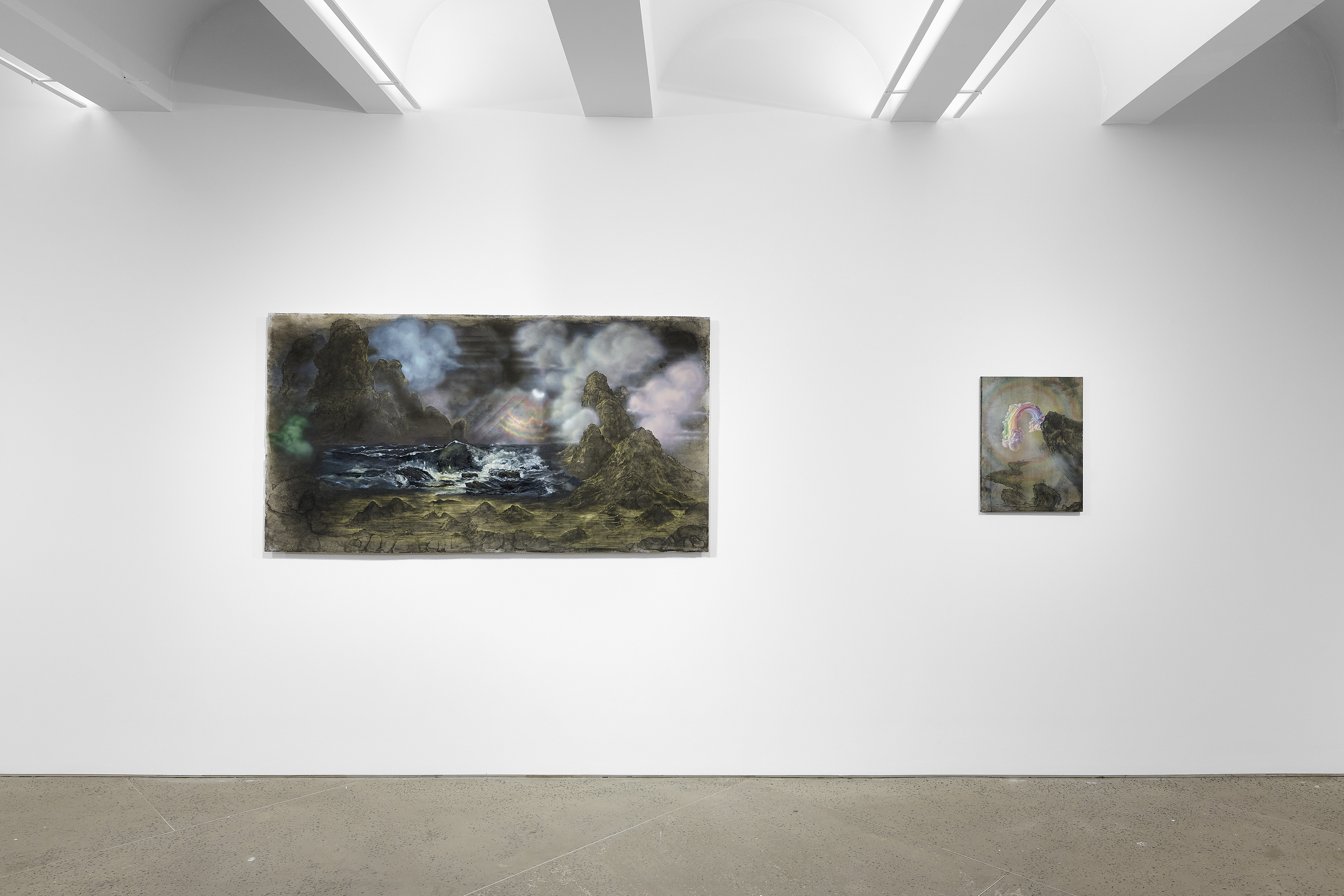
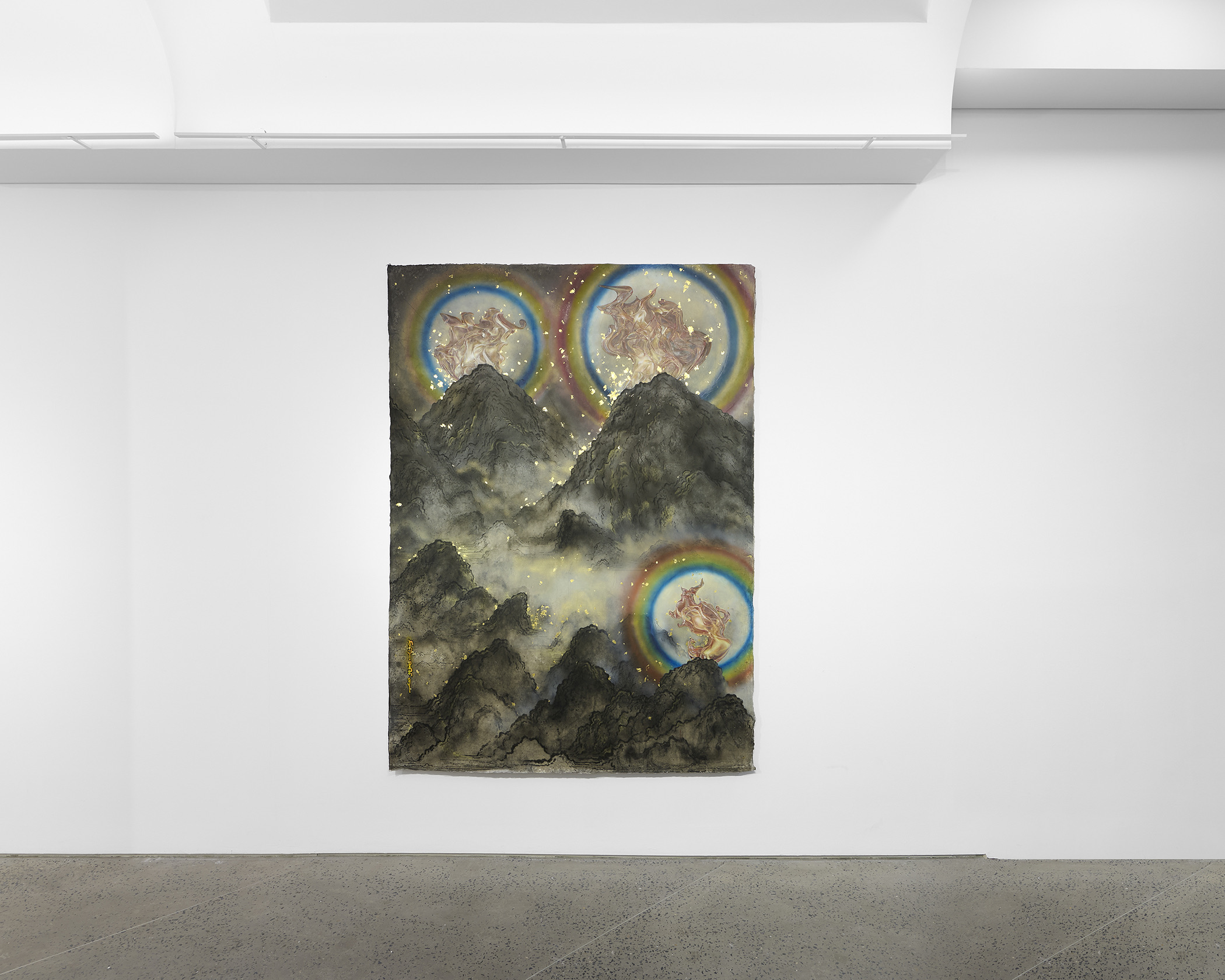
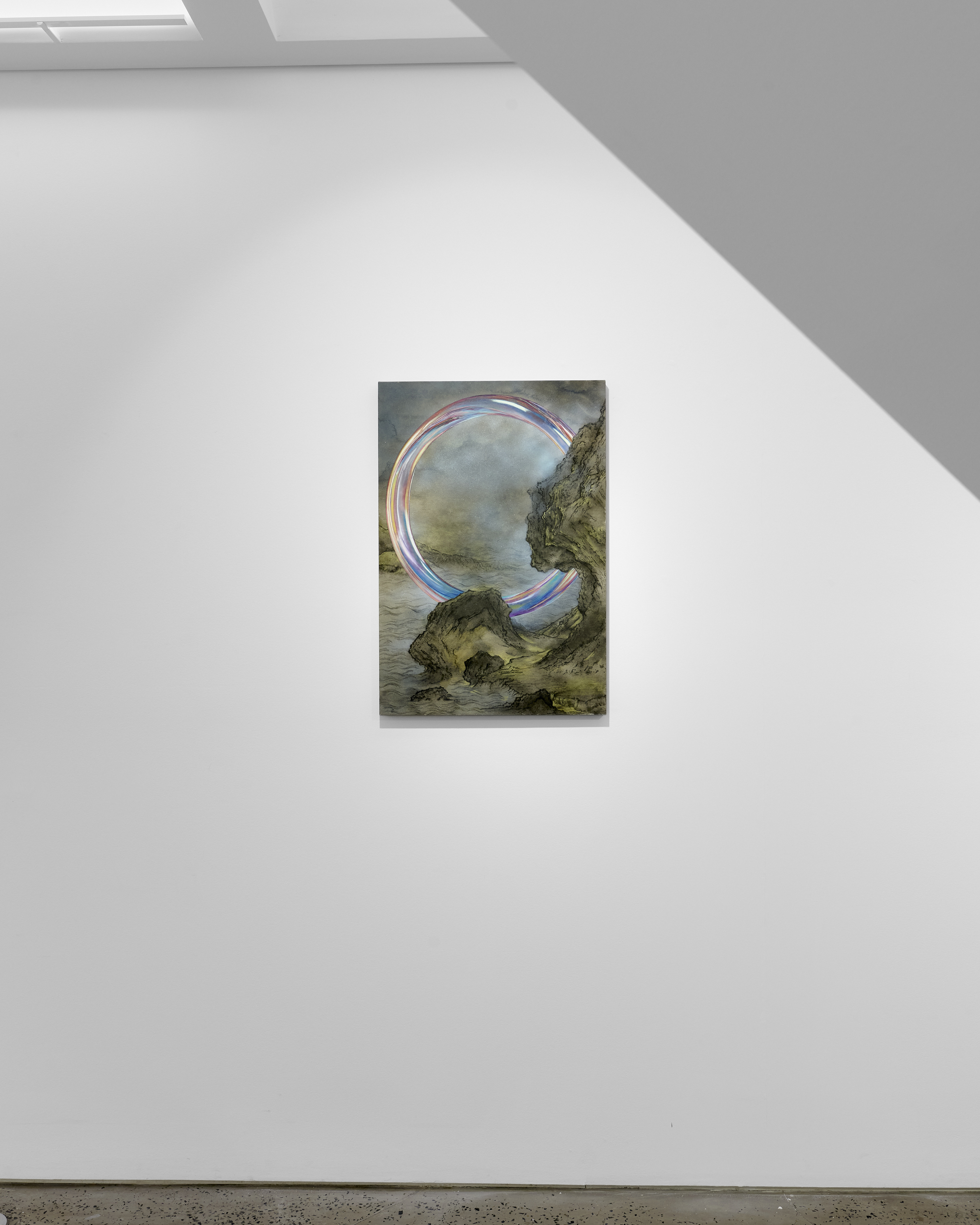
Sao Tanaka Utilizing the historical archetype of ink painting, Sao Tanaka visualizes the accumulated provenance of the land and the collective identity of people within universally resonant contemporary landscapes. Based on the understanding that the concept of "nature" in Japanese painting (Nihonga) was actually constructed within the ideology of "tradition" during Japan's modernization, She assembles natural elements such as light, water, mountains, and air from various art histories and visual cultures to create landscapes where a fictional mythology unfolds in this exhibition. By highlighting the shifting nature of history and systems through this contrast between technology and tradition, she visualizes the tensions, contradictions, and dissonance embedded in the binary opposition of nature and artifice. Through a meta-perspective accompanied by an exquisite sense of displacement, she explores the gradients that emerge between these starkly different concepts.
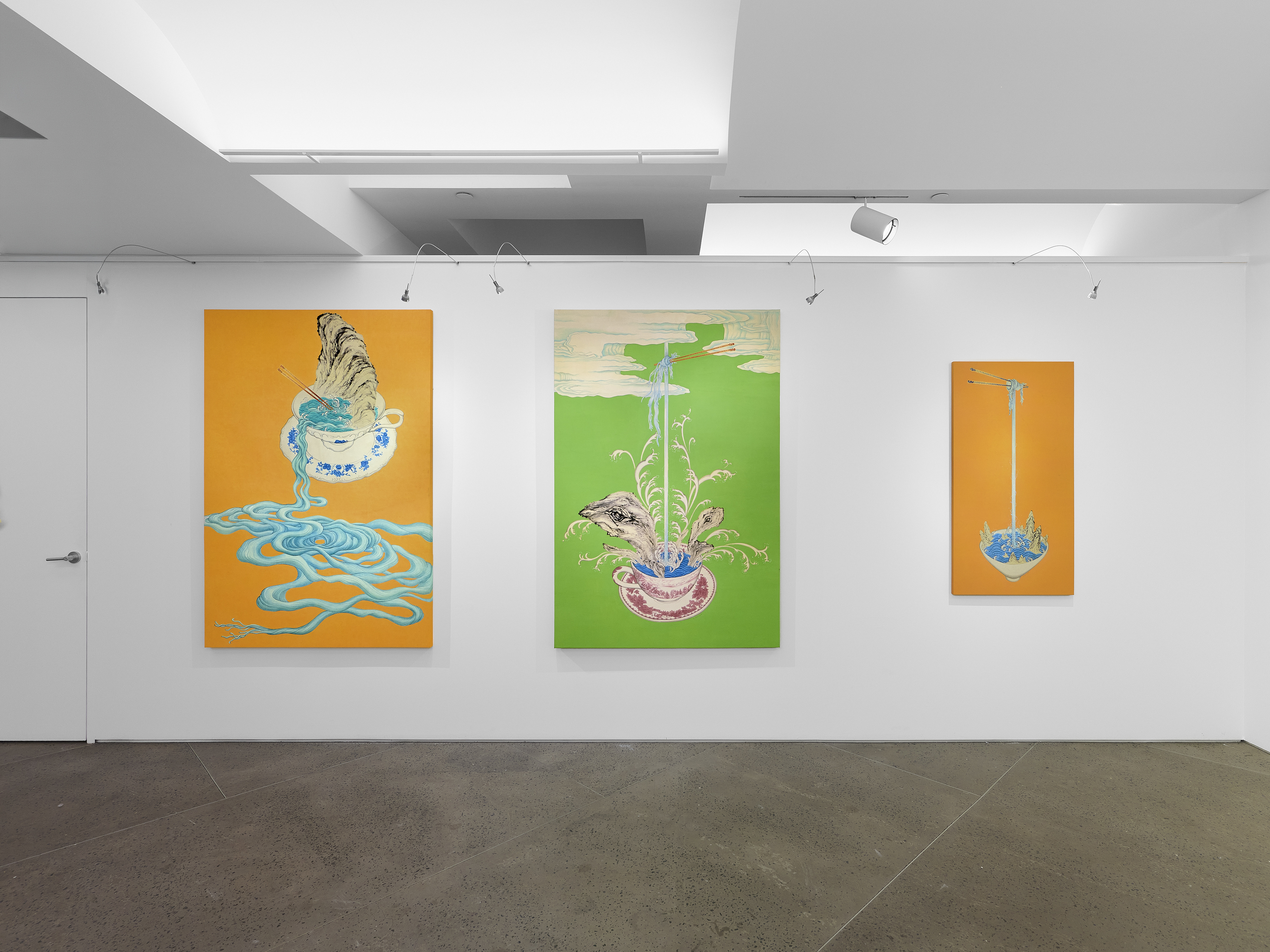
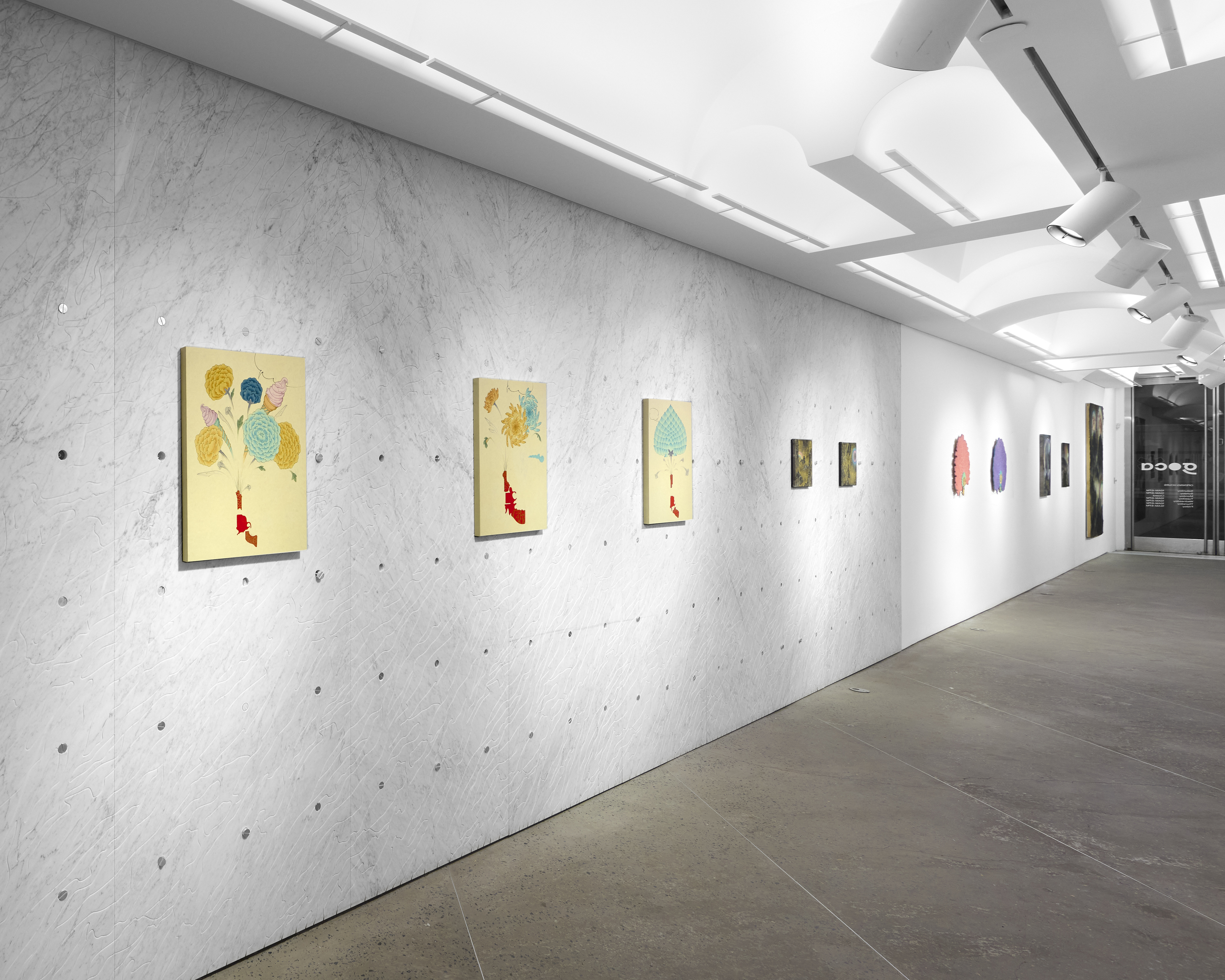
Seongmin Ahn Seongmin Ahn reinterprets traditional Korean painting styles through the lens of modern science and multifaceted spatial concepts, reconsidering the fluid time and exchange of cultures. Having studied Korean traditional painting in a conservative environment, Ahn achieves a sophisticated expression of balance and coexistence for our divided contemporary world by integrating sumukhwa (ink painting) and chaesaekhwa (color painting)—genres that were historically segregated—into a single work. She incorporates methodologies that technically reverse Western linear perspective, alongside the philosophical "reverse perspective" seen in Asian landscape painting, which combines multiple viewpoints by moving around the subject. By encouraging the viewer to recognize that contrasting elements—East and West, tradition and modernity—are complementary rather than contradictory, she creates a multi-layered, hybrid pictorial space, presenting a new cultural archetype liberated from prescriptive frameworks.